
Definitive Guide To Building Your Brand Presence on Twitter
How to Build a Brand on X in 2026: Strategies, Case Studies, and What Actually Works X (formerly Twitter) has had more changes in the

Marketing expert Gary Vaynerchuk once said in his Ask Gary Vee Podcast that many businesses are only one impactful piece of content away from substantial success. This isn’t just about creating more content—it’s about creating the right content. Yet, many businesses miss this opportunity because they default to safe, generic topics. They avoid taking creative risks and, in doing so, fail to connect with their audience on a meaningful level.
Early in my career, my writing strategy shifted after an editor consistently challenged me with two questions: “Why does this matter to the reader?” and “Why should they care?” This feedback led me to reframe my content approach. Instead of just writing about SEO and inbound marketing strategies in the abstract, I started sharing the real-life experiences behind those strategies.
One standout result came from a post titled “My $95,000 Linking Mistake.” It outlined a costly oversight that not only engaged readers but sparked meaningful conversations. The relatable nature of the post—detailing an error and the lessons learned—resonated with readers because it felt human and genuine. Analytics confirmed that this shift worked: the post had significantly higher engagement and time-on-page metrics than my other articles.
1. Focus on Your Audience’s Needs: Your readers are looking for solutions to their problems. Structure your content to help them, not to pitch them a product. Providing value builds trust and loyalty.
2. Inject Personal Experience: A story, whether about your company’s growth or a challenge you overcame, makes your content memorable. Sharing an experience that’s relatable turns your insights into actionable advice.
3. Create Enticing Headlines: A compelling title can make all the difference. Headlines like “What I Learned from a Major SEO Blunder” or “5 Client Wins That Transformed Our Strategy” capture attention and set the stage for storytelling.
4. Balance Emotion and Facts: While data-driven points lend credibility, the emotional context makes your content engaging. For instance, pair data on conversion rate increases with a client’s feedback about how it impacted their business.
5. Ask “Why” and “How”: Before publishing, review your draft to ensure it answers, “Why does this matter to the reader?” and “How will it solve their problem?” This mindset keeps your content relevant and results-oriented.

How to Build a Brand on X in 2026: Strategies, Case Studies, and What Actually Works X (formerly Twitter) has had more changes in the

Why Businesses That Keep Advertising Win — Even When Others Pull Back It sounds counterintuitive: when revenue slows or uncertainty rises, the instinct is to

The Most Costly Facebook Ads Mistakes (and How to Fix Each One) https://www.youtube.com/watch?v=kZ1wHgLLSCcYou’ve set up the campaign. You’ve written the copy. You’ve hit publish. And
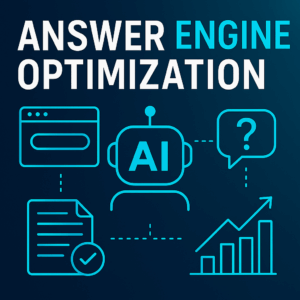
Answer Engine Optimization (AEO): How to Earn Visibility in the Age of AI Answers https://www.youtube.com/watch?v=deOL5KUtkjc As AI-driven platforms like Google’s Search Generative Experience (SGE), OpenAI’s ChatGPT, Perplexity,

Harnessing the Power of AI for Small Business Marketing https://www.youtube.com/watch?v=deOL5KUtkjcThe marketing world is rapidly evolving with the advent of AI, revolutionizing how businesses, particularly small

How Many Social Media Platforms Should Your Business Use in 2026? The short answer: two to three platforms, done well, will consistently outperform five or