
The Power of Online Reviews for Small Businesses

Online Reviews
Top Social Media Agency In NH Award
Top PPC Company in NH Award
Top Digital Marketing Agency in New Hampshire

The Power of Online Reviews for Small Businesses

As a small business owner, you may be wondering why online reviews are so important. Online reviews can help build trust and credibility, improve search engine rankings, attract new customers, boost sales, provide valuable feedback, and offer social proof. Keep reading to learn more about the power of online reviews for small businesses.
Online Reviews

Why are online reviews so important for small businesses?

They help build trust and credibility. In today’s online world, potential customers are looking for reasons to trust a business before they make a purchase. Online reviews can provide that social proof that potential customers are looking for.


  • They can improve search engine rankings. Online reviews are considered to be a type of “local SEO” signal, which means that they can help your business rank higher in search results. When potential customers do a search for businesses like yours, you’ll have a better chance of showing up in the results if you have positive online reviews.

  • They can help attract new customers. Online reviews can also be used as a marketing tool to help attract new customers. When potential customers see that your business has positive online reviews, they’ll be more likely to choose your business over a competitor that doesn’t have any reviews. Online reviews can also help you reach new customers by increasing your visibility in search results.

  • They can boost sales. Studies have shown that businesses with positive online reviews tend to see a boost in sales. In fact, one study found that a business with a 4-star rating can see a 20% increase in sales. Online reviews can also lead to more repeat customers.

  • They provide valuable feedback. Another benefit of online reviews is that they provide valuable feedback. Online reviews can help you identify areas where your business needs to improve. They can also help you keep track of customer satisfaction levels. Online reviews can be a valuable source of feedback that you can use to make changes and improve your business.

  • They offer social proof. Finally, online reviews offer social proof. Social proof is the idea that people are more likely to do something if they see other people doing it. Online reviews can help provide social proof for your business. When potential customers see that your business has positive online reviews, they’ll be more likely to trust your business and make a purchase.

Online reviews are important for small businesses

As a small business owner, you know that word-of-mouth is powerful. Online reviews are like modern day word-of-mouth recommendations. In fact, 84% of people trust online reviews as much as personal recommendations from friends and family members. Online reviews are also important because they provide valuable insights into what your customers think about your products or services.

Online reviews help build trust and credibility

One of the main reasons why online reviews are so important for small businesses is because they help build trust and credibility. In today’s digital world, potential customers are looking for reasons to trust a business before they make a purchase. Online reviews can help provide that social proof that potential customers are looking for.

Online reviews can improve search engine rankings

Another reason why online reviews are important for small businesses is because they can improve search engine rankings. Online reviews are viewed as local SEO signal by the search engines, which means that they can help your business rank higher in search results. When potential customers do a search for businesses like yours, you’ll have a better chance of showing up in the results if you have positive online reviews.

Online customer reviews gain more weighting (6.47%) in organic local searches. What customers say in their reviews also mattered - ‘Negative Sentiment in Google Reviews’ is a negative ranking factor.

Online reviews can help attract new customers

Online reviews can also be used as a marketing tool to help attract new customers. When potential customers see that your business has positive online reviews, they’ ll be more likely to choose your business over a competitor that doesn’t have any reviews. Online reviews can also help you reach new customers by increasing your visibility in search results.

Over 9 out of 10 consumers (93% say online reviews impact their purchasing decisions. So it’s not an understatement to say that online reviews can make or break your company’s success.

Online reviews can boost sales

In addition to attracting new customers, online reviews can also boost sales. Studies have shown that businesses with positive online reviews tend to see a boost in sales. In fact, one study found that a business with a 4-star rating can see a 20% increase in sales. Online reviews can also lead to more repeat customers.

Up to 84% of consumers noted that reviews were important in their purchasing decisions. Additionally, 68% develop an opinion of a product or service after viewing between one to six reviews.

Online reviews provide valuable feedback

Another benefit of online reviews is that they provide valuable feedback. Online reviews can help you identify areas where your business needs to improve. They can also help you keep track of customer satisfaction levels. Online reviews can be a valuable source of feedback that you can use to make changes and improve your business.

Online reviews offer social proof

Finally, online reviews offer social proof. Social proof is the idea that people are more likely to do something if they see other people doing it. Online reviews can help provide social proof for your business. When potential customers see that your business has positive online reviews, they’ll be more likely to trust your business and make a purchase.

Frequently Aked Questions About Online Reviews

How can I encourage more customers to leave reviews?

To encourage more customers to leave reviews, I would recommend making it easy for them by providing direct links or QR codes that take customers straight to your review pages on platforms like Google, Facebook, or Yelp. Minimizing friction in the review process is key. Offering small incentives like discounts, free products/services, or entry into a monthly drawing for customers who leave a review can also be effective, as long as you are transparent about the program. Directly asking customers after positive interactions if they would be willing to share their experience online can work well, but it’s important to time the request appropriately. Sending automated email or SMS reminders a week or two after a purchase, service, or interaction is another strategic way to follow up and make it easy for the customer to click through and review. Finally, prominently displaying positive reviews on your website and in your physical location can inspire others to share their feedback.

What are some best practices for responding to negative reviews?

When responding to negative reviews, it’s important to remain calm, professional, and focused on a positive resolution. Aiming to reply within 24-48 hours shows you are attentive to customer concerns while the issue is still fresh. Offering to continue the conversation via direct message, email or phone can help you better understand and resolve the problem privately. Taking ownership and apologizing sincerely for the customer’s negative experience, even if you don’t agree with all the details, demonstrates your commitment to customer satisfaction. Proposing a reasonable remedy such as a refund, credit, or make-good can also go a long way. Throughout the process, it’s crucial to maintain a courteous, helpful tone and avoid defensive or argumentative language that could escalate the situation. Analyzing negative reviews to identify areas for improvement in your products, services or operations is an important learning opportunity as well.

Are there any tools or services that can help monitor and manage online reviews?

There are several review management tools and services that can help small businesses stay on top of their online reputation. Review monitoring platforms like Podium, Birdeye, or Trustpilot aggregate reviews from multiple sites in one dashboard. Social media management tools like Hootsuite or Sprout Social include review monitoring and response capabilities. Reputation management services provide ongoing review monitoring, response assistance, and reporting. Google My Business and other platform-specific tools also surface reviews and allow you to respond directly. Finding the right solution depends on your business needs and budget, but the key is utilizing a tool that makes it easy to track, analyze and engage with customer reviews across the web, saving you time and helping you be more proactive in managing your online reputation.

As you can see, there are many reasons why online reviews are important for small businesses. Online reviews can help build trust and credibility, improve search engine rankings, attract new customers, boost sales, provide valuable feedback, and offer social proof. If you’re not already using online reviews to your advantage, now is the time to start. Contact us below for more information.

Facebook

Recent Posts

Local SEO and AI Search

Local SEO AI Search

Directories, Yelp, and the Future of Local SEO in AI Search: Artificial intelligence is already changing the way search engines surface local business information. Instead
Read More »
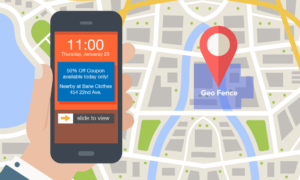
What is geofencing?

What Is Geofencing?

What is Geofencing? Geofencing marketing is location-based ads where a user’s location is recorded via the internet, and advertisements are only shown to people in
Read More »
Local SEO 2026

Local SEO Playbook

The 2026 Local SEO Playbook for SMBs For small and medium-sized businesses (SMBs), being visible in local search results has always been essential to attracting

Read More »
SEO in 2026

SEO in 2026

SEO in 2026 – The 5 SEO Questions Every Business Owner Is Asking If you are still doing SEO the way you did in 2023,

Read More »

B2B lead generation channels

B2B lead generation channels

Top B2B Lead Generation Channels in 2025 | Data-Backed Guide to Higher ROI

Back in 2018 a single survey claimed that “Search beats every other channel for lead generation.” A lot has changed since then; privacy rules, AI search overviews, the explosion of video, and (let’s be honest) buyer behavior. Below is the fresh evidence B2B marketers need to make budget calls today.

Organic Search (SEO)

SEO retains its position as the largest single driver of B2B revenue. Recent analysis shows that organic search contributes 44.6 percent of all B2B revenue, roughly double the share of the next-closest channel. Because so many buyers begin their research on Google, ranking for high-intent queries is still the surest way to capture demand that’s already in market.

B2B lead generation channels

Email Marketing

While search brings prospects to your front door, email is often the channel that persuades them to step inside. The latest Litmus data places the average email ROI at $42 for every dollar invested, an efficiency figure no other channel matches on a pure cost-return basis.  List quality, segmentation, and crisp, value-driven copy remain the levers that separate top performers from batch-and-blast senders.

Social Media

HubSpot’s 2024 State of Marketing report found that 63 percent of marketers call social their highest-ROI channel, with another 43 percent naming email. Within social, YouTube now edges out every other network for financial return, while Facebook and Instagram follow closely behind.  LinkedIn continues to dominate for lead quality: 40 percent of B2B marketers say it is their most effective source of high-quality leads, and 89 percent rely on it for lead generation. 

Events and Webinars

Face-to-face experiences have roared back. A Content Marketing Institute study reports that in-person events and webinars are the two distribution methods B2B marketers call most effective, at 52 percent and 51 percent respectively. Separate research among U.S. and U.K. event marketers found that 78 percent consider events the single most effective marketing channel for their company.  These findings underline how strongly buyers still value live demonstrations, peer interaction, and unscripted access to subject-matter experts.

Paid Search

When budgets shift to acquisition, paid search remains the safest bet for harvesting demand you have already created. In the same CMI survey, 61 percent of B2B marketers said SEM/PPC produced the best results of any paid tactic. Tight match-type control, robust negative-keyword lists, and refined audience layering are critical as rising CPCs test profitability.

What This Means for Your 2025 Plan

The numbers paint a clear picture: organic search is still the largest revenue engine, email delivers the cleanest ROI, social drives both reach and engagement, events accelerate trust, and paid search converts latent intent into pipeline. Instead of betting everything on one channel—as the 2018 post implied—successful B2B teams now integrate these disciplines. They attract informed prospects through search-optimized content, stay top-of-mind with segmented nurture streams, turn social feeds into conversation hubs, deepen credibility through live experiences, and close the loop with precisely targeted ads.
In short, the best lead-generation strategy for 2025 is not channel supremacy but channel choreography.
Facebook
LinkedIn

Recent Posts

GEO FAQs

GEO FAQ

GEO FAQs: Your Advanced Guide to Generative Engine Optimization In our previous post, Generative Engine Optimization FAQs, we explored the fundamentals of GEO and introduced

Read More »
AI search optimization

AI Search Optimization

The Future of SEO is Here: A Complete Guide to AI Search Optimization Artificial intelligence is reshaping the way people discover and consume information online.

Read More »

Creating Killer Buyer Personas

Guide to creating killer buyer personas

Creating Killer Buyer Personas: The Strategic Imperative for Smart Marketing

In today’s digital-first economy, understanding your customer is no longer a luxury—it’s a strategic necessity. Buyer personas, once simplistic demographic profiles, have evolved into dynamic, data-rich tools that drive targeted marketing, improve lead quality, and boost ROI. For businesses serious about growth, creating accurate and actionable buyer personas is not just recommended—it’s required.

What Is a Buyer Persona?

A buyer persona is a detailed, semi-fictional profile of your ideal customer based on real data and strategic insights. More than just a job title or a target market, it captures behaviors, goals, challenges, motivations, and preferences. These personas allow businesses to tailor messaging, improve user experience, and guide both marketing and product development decisions.
Guide to creating killer buyer personas

What Buyer Personas Are—and Are Not

Effective personas reflect common behavior patterns, shared pain points (both personal and professional), universal goals, and general demographic traits. They are not simply job titles or based on specific tools or technologies. Most importantly, they are not static. The most effective personas are continuously updated to reflect evolving customer needs and market trends.

Why Buyer Personas Matter More Than Ever

In a hyper-targeted marketing landscape, personas have become more than just a strategic advantage—they’re foundational. Sophisticated businesses now use personas to inform every stage of the buyer’s journey, from awareness and engagement to conversion and retention.
And they work. Persona-driven campaigns lead to:
Buyer personas also help unify your marketing, sales, and product teams around a shared understanding of your customer, reducing friction and improving execution across departments.

Building Buyer Personas: A Data-Driven, Empathetic Approach

Creating buyer personas in 2025 involves a blend of deep research, human insight, and AI-powered analysis. Here’s how to get started:

1.Interview Existing Customers
Learn what your best customers value about your products or services, and what challenges you help them overcome.

2. Analyze Behavioral Data
Use your CRM, website analytics, and social media platforms to identify patterns in engagement, content consumption, and purchase behavior.

3. Leverage Internal Team Feedback
Your sales and customer service teams are on the front lines. Tap into their knowledge to discover recurring themes in customer needs and objections.

4. Use Predictive and AI-Driven Tools
Tools like ChatGPT, HubSpot AI, and Adobe Sensei can help you analyze large datasets, generate persona hypotheses, and recommend optimized messaging strategies at scale.

The Role of Negative Personas

Just as important as identifying who you want to target is defining who you don’t. Negative personas help exclude unqualified leads or high-cost prospects—such as those outside your budget range or lacking decision-making authority. Excluding these groups allows you to spend more time and budget on prospects who are most likely to convert.

Buyer Personas Example:

Background (job/family/career path/education)

  • Head of Human Resources
  • Worked at the same company for 10 years; worked her way up from HR Associate
  • Married with 2 children (10 and 8)

Demographics: M/F/Age/Income/Location

  • Skews female
  • Age 30-45
  • Dual HH Income: $140,000
  • Suburban

Identifiers: Demeanor/Communication preferences

  • Calm demeanor
  • Probably has an assistant screening calls
  • Asks to receive collateral mailed/printed

Goals: Primary goal, secondary goal

  • Keep employees happy and turnover low
  • Support legal and finance teams

Challenges: Primary challenge, secondary challenge

  • Getting everything done with a small staff
  • Rolling out changes to the entire company

What can we do? To help them achieve their goals and overcome their challenges

  • Make it easy to manage all employee data in one place
  • Integrate with legal and finance teams’ systems

Real quotes:About goals/challenges etc

  • “It’s been difficult getting company-wide adoption of new technologies in the past.”
  • “I don’t have time to train new employees on a million different databases and platforms.”
  • “I’ve had to deal with so many painful integrations with other departments’ databases and software.”

Common objections: Why wouldn’t they buy your product/service

  • I’m worried I’ll lose data transitioning to a new system.
  • I don’t want to have to train the entire company on how to use a new system.

Marketing message: How should you describe your solution to your persona?

  • Integrated HR Database Management

Elevator pitch: Sell your persona on your solution

  • We give you an intuitive database that integrates with your existing software and platforms, and lifetime training to help new employees get up to speed quickly.

The Future of Persona-Driven Marketing

The modern buyer persona is not a static file—it’s a living, breathing asset. Smart organizations revisit and refine their personas regularly to reflect new insights, emerging segments, and shifts in customer behavior.
And while AI tools accelerate the research and refinement process, human empathy remains the secret weapon. The best personas are built not only on data, but on a genuine understanding of what motivates and challenges your ideal customer.
Creating killer buyer personas in 2025 is more than an exercise in segmentation—it’s the foundation of smarter, faster, and more effective marketing. When done right, personas empower you to connect more meaningfully with your audience, close more deals, and fuel sustained growth.
Let Braveheart Digital Marketing help you build smarter strategies through persona-driven marketing. contact us today. to get started.

Recent Posts

AI marketing team

AI marketing team

How AI Transforms Modern Marketing Teams Every business wants a larger, more capable marketing team, but the reality is that budgets rarely match ambitions. Hiring

Read More »
AEO FAQs

AEO FAQs

AEO FAQs: Your Practical Playbook In Part 1, we covered the strategic foundations of Answer Engine Optimization. Now that you understand its importance, it’s time

Read More »

AI Agents

AI Agents

AI Agents Have Arrived: Is Your Website Ready?

In the rapidly evolving world of digital marketing, a seismic shift is upon us. For months, there have been whispers about AI agents redefining how information is consumed and shared. That time has come—AI agents are here, and they are already reshaping the digital landscape.

The Personal Experiment That Opened My Eyes

To understand the potential of AI agents, I set up a ChatGPT-powered agent to deliver daily summaries of the latest social media news. This morning, I received an email filled with curated stories tailored precisely to my interests. But here’s the kicker: the entire process was automated.
AI Agents
The AI agent independently scanned the web, assessed the relevance of content, and delivered a digest that felt as though it had been handpicked by an expert. It wasn’t. No human editor was involved—it was entirely AI-driven. This experience underscores the transformative nature of these tools, not as a novelty but as a harbinger of a new marketing reality.

What Are AI Agents?

AI agents are autonomous programs designed to gather, process, and curate information based on user preferences. Think of them as digital assistants, but far more advanced—capable of learning, adapting, and tirelessly working to deliver the most relevant insights. These agents are quickly becoming the intermediaries between content creators and audiences.
Why Marketers Should Care

The rise of AI agents introduces a critical challenge for marketers: your content is no longer vying solely for human attention. Instead, it must also capture the interest of AI algorithms. If your content doesn’t meet the standards of these digital gatekeepers, it risks being filtered out, leaving your audience to consume competitor content that the AI deems more relevant.
This dual audience—humans and AI—requires a fundamental shift in how we approach content creation and optimization.

How to Make Your Content AI-Friendly

To thrive in this new reality, marketers must align their strategies to cater to both human and AI audiences. Here are the key steps:

1. Focus on Quality: AI agents prioritize authoritative, well-written, and relevant content. Invest in creating comprehensive, high-value materials that thoroughly answer user questions and demonstrate expertise.

2. Optimize for Search Engines: Search engine optimization (SEO) is no longer just for human users. AI agents rely on algorithms to evaluate content. Proper keyword usage, metadata, and structured data are crucial for visibility.

3. Structure Your Content Clearly: AI agents excel at processing structured information. Use headings, bullet points, and clear layouts to make your content easy to parse and understand.

4. Stay Relevant and Timely: AI agents prioritize fresh and up-to-date content. Ensure your content reflects the latest trends and insights to maintain its relevance.

5. Incorporate Machine-Readable Formats: Leverage formats like FAQs, schemas, and rich snippets to enhance machine readability. These elements help your content stand out to AI agents.

The Future Is Now

AI agents are not a passing trend. They represent a permanent evolution in how information is consumed and distributed. As these tools become more mainstream, the competition for visibility will intensify. Success will favor those who adapt, creating content that resonates with human audiences while meeting the technical criteria of AI systems.
The question is no longer if AI will transform marketing, but whether your website is prepared for this new reality. Does your content engage your audience? Does it align with the priorities of AI algorithms?

Braveheart Digital Marketing: Your Partner in AI-Ready Strategies

At Braveheart Digital Marketing, we specialize in helping businesses navigate the complexities of this new era. With expertise in SEO, content strategy, and digital optimization, we ensure your content not only speaks to your audience but also earns the attention of AI agents shaping their experience.
Now is the time to act. The digital marketing landscape has changed, and the websites that succeed will be those that are ready to compete in this AI-driven world. Don’t let your content get left behind—make sure it’s not only seen but celebrated by both humans and machines.

Braveheart Digital Marketing Named Best New Hampshire Agency

Best New Hampshire Agency

Braveheart Digital Marketing Named Best New Hampshire Agency

We are incredibly proud to share some exciting news: Braveheart Digital Marketing has been recognized as the Best Agency in New Hampshire by Clutch.co for 2025! This prestigious honor places us at the top in not just one category, but an impressive four:

This recognition is not only a testament to the hard work and creativity of our team but also a reflection of the trust and collaboration we’ve built with our clients. As a full-service digital marketing agency, these awards highlight our commitment to excellence in driving real results and fostering meaningful partnerships.

What This Recognition Means to Us

At Braveheart Digital Marketing, we have always believed in delivering more than just marketing services. We see ourselves as partners in growth, helping businesses of all sizes achieve their goals through innovative and customized digital marketing strategies. Being named the best in four key categories underscores our dedication to being a one-stop solution for comprehensive digital marketing needs.
Here’s a closer look at what these awards mean:
Best New Hampshire Agency

Best Overall New Hampshire Agency

This award speaks to our holistic approach to digital marketing. From SEO to social media, from paid advertising to content creation, we work to ensure that every aspect of a client’s digital strategy works in harmony to drive measurable results.

Best New Hampshire SEO Agency

In today’s competitive online landscape, ranking on the first page of Google isn’t optional—it’s essential. Our expertise in SEO has helped countless clients increase organic traffic, boost visibility, and outperform their competitors. This award celebrates our data-driven methods, innovative strategies, and commitment to staying ahead of SEO trends.

Best New Hampshire Social Media Agency

Social media is more than just likes and shares—it’s about building authentic connections with your audience. Our team has helped brands grow their social media presence, engage with their communities, and drive tangible business results through creative and strategic campaigns. This award recognizes our ability to turn social media into a powerful tool for brand growth.

Best New Hampshire PPC Agency

Pay-per-click advertising is all about delivering ROI-driven campaigns that maximize budgets and conversions. Whether it’s Google Ads, social media advertising, or display campaigns, we’ve consistently delivered results that exceed expectations. This award highlights our ability to create targeted, impactful campaigns that drive revenue.

The Key to Our Success: Collaboration and Passion

Receiving these awards is an honor, but we know it wouldn’t be possible without the trust of our clients and the dedication of our team. Every project we take on is a collaboration, where we combine our expertise in digital marketing with our clients’ unique visions and goals. Together, we create strategies that are not only innovative but also deeply personalized.
We’re also incredibly proud of our team, whose passion and creativity are the backbone of our success. From strategists to designers, analysts to content creators, each team member plays a vital role in ensuring our clients’ success. These awards are a reflection of their hard work, ingenuity, and commitment to excellence.

A Thank You to Our Clients and Team

To our clients, thank you for trusting us with your brand and your goals. Your partnership fuels our passion and inspires us to push boundaries.
To our team, thank you for bringing your A-game every day. These awards belong to you as much as they do to Braveheart Digital Marketing.

What’s Next for Braveheart Digital Marketing?

While these awards are a moment to celebrate, we’re not stopping here. We’re committed to continuing to raise the bar in digital marketing, leveraging new technologies, and exploring innovative strategies to help our clients succeed in an ever-changing digital landscape.
In 2025 and beyond, we’ll continue to focus on delivering measurable results, fostering meaningful client relationships, and staying ahead of industry trends. Whether it’s adopting AI-driven marketing tools, refining our SEO strategies, or crafting more engaging social media campaigns, we’re excited to continue growing alongside our clients.

Join Us on the Journey

If you’re ready to take your business to the next level with a trusted, award-winning digital marketing partner, we’d love to hear from you. Whether you need help with SEO, social media, PPC, or an integrated strategy, Braveheart Digital Marketing is here to help.
Let’s make 2025 a year of growth, innovation, and success—together.

How Is Advertising Different From Marketing?

marketing vs advertising

How Is Advertising Different From Marketing?

Recently, I had a thought-provoking conversation with a business owner who shared that many entrepreneurs in his industry often don’t distinguish between advertising and marketing. This isn’t a new challenge; even two decades ago, Bloomberg Businessweek published an article titled Marketing vs. Advertising, exploring this same question.

Today, as the lines between marketing and advertising blur even further with digital platforms, understanding their differences is more critical than ever—especially for small business owners striving to make the most of limited budgets.
What’s the Difference Between Marketing and Advertising?

There are countless definitions of marketing and advertising, and many of them overlap. But one of the clearest comes from Kathleen Micken, assistant professor of marketing at Roger Williams University:

marketing vs advertising
“Marketing might be defined as everything an organization does to facilitate an exchange between itself and its customers/clients. Advertising is just one of many marketing activities.”
Kathleen Micken
Assistant Professor of Marketing for the Gabelli School of Business at Roger Williams University,
Steven R. Jolly, owner of SRJ Marketing Communications, a marketing and design firm in Dallas adds,
“Marketing is the sum total of all impressions and advertising is part of the impressions that must be managed. And, of course, advertising has a hard dollar cost associated.”

Breaking It Down: Marketing vs Advertising

Here’s an easy way to remember the difference:

Advertising is a single component of marketing. It’s a tactic—a method of delivering a brand’s message in a passive way to a broad audience. Think TV commercials, print ads, or digital display ads. The goal? Raising awareness.

Marketing is the bigger picture. It involves identifying specific audiences, tailoring messages, and using strategic activities to achieve a result, such as lead generation or sales.

For example, advertising might involve placing a billboard about your landscaping services on a busy highway. Marketing, however, could involve creating an email campaign targeting homeowners, offering a free landscaping consultation, and tracking conversions.

Why Small Business Owners Must Understand the Difference

For many small business owners, advertising feels like the easiest way to “get the word out.” You pay for an ad in a local paper, a spot on a podcast, or a billboard—and you assume that’s a marketing plan. But it’s not.
Advertising alone rarely drives the first three stages of a successful marketing funnel:

In fact, studies show that 84% of people expect brands to create personalized content that addresses their pain points (Edelman Trust Barometer). Traditional advertising often misses this mark. Marketing, on the other hand, leverages strategies like content creation, email campaigns, and social media to engage audiences more meaningfully.

The ROI of Marketing vs. Advertising

The numbers speak for themselves. Email marketing, for instance, delivers an average return on investment (ROI) of $36 for every $1 spent (Litmus, 2023). Compare this with traditional advertising, where ROI can be harder to track and often less predictable. Consider these scenarios:

Advertising Example: You spend $500 on a print ad in a local magazine. While you may increase brand visibility, you may not know how many new customers came from it.

Marketing Example: You invest $500 in a targeted social media campaign offering a 10% discount to new customers. Using tracking tools, you can see exactly how many leads and conversions your campaign generated.

Making Marketing Work for You

Instead of pouring your budget into general advertising, consider marketing strategies that yield measurable results. Here are a few examples tailored for small businesses:
1. Email Marketing Campaigns: Send a targeted email to past customers offering a loyalty discount.

2. Webinars or Workshops: Host a free session solving a common problem your audience faces—like “How to Plan a Spring Garden” for a landscaping company.

3. Social Media Ads: Use platforms like Facebook or Instagram to target specific demographics with offers or promotions.

Why This Matters Now More Than Ever

In a digital-first world, consumer behaviors have shifted. 62% of consumers expect brands to anticipate their needs (Salesforce, 2023). That’s why small business owners need to focus on marketing efforts that are customer-centric, measurable, and designed to build lasting relationships—not just fleeting brand awareness.

Take the Next Step in Your Marketing Journey

Is your current marketing strategy generating the leads and sales you want? If the answer is no, it’s time to rethink your approach. Stop wasting money on advertising that doesn’t deliver measurable results.

We’re here to help. Let’s turn your marketing plan into a lead-generating powerhouse.
Facebook

Recent Posts

generative AI framework

Generative AI Roadmap

Unlock Your AI Potential: A Practical Roadmap for Small Businesses The world of Artificial Intelligence is evolving at a breathtaking pace, and for small businesses,

Read More »
scaling ai use cases

Scaling AI Use Cases

Scaling AI Use Cases: Playbook for Business Growth You’ve successfully piloted an AI solution, measured its ROI, and perhaps even operationalized it. That’s a huge

Read More »
AI ROI Measurement

AI ROI Measurement

AI ROI Measurement You’ve launched an AI pilot, your team is getting familiar with the tools, and you’re seeing some promising early signs. But when

Read More »

Unlocking the Power of Buyer Personas

Buyer Personas

Unlocking the Power of Buyer Personas

This month, audits have taken center stage—whether evaluating content performance, assessing landing pages, or refining digital strategies. One recurring insight from these projects is that many businesses lack a deep understanding of their audience. This gap can be a silent growth killer.

The Importance of Starting with an Audit

Every successful audit is rooted in comprehensive data collection. Metrics such as site analytics, keyword performance, and conversion rates lay the groundwork. However, data only tells part of the story. To transform raw numbers into actionable strategies, it’s essential to understand the human element behind the clicks. That’s why I always ask my clients these four key questions:

An All-Too-Common Oversight

It’s surprising how often businesses struggle to answer these questions. Without them, content strategies become general rather than tailored. The result? Content that lists features and benefits but lacks the persuasive touch that connects with the reader. While informative, it misses the mark in engagement and conversion.

Why Investing in Buyer Personas Pays Off

Developing comprehensive buyer personas requires time, but the ROI is undeniable. Here’s what small business owners need to know:

Boosted Engagement: Content designed with a specific audience in mind addresses their needs and speaks their language. This personalized approach encourages deeper interaction.

Higher Conversion Rates: When customers feel understood, trust builds. Trust is what drives potential customers to move from browsing to purchasing.

Better Resource Allocation: Buyer personas provide clarity, allowing you to fine-tune your marketing strategy and allocate resources where they’ll have the most impact.
How to Build Buyer Personas Without the Overwhelm

Creating detailed buyer personas doesn’t have to be daunting. Start small and refine as you go. Here’s a practical approach:

Analyze Your Current Data: Begin with what you have. Review website and customer data for patterns in demographics and behavior.

Connect Directly with Your Customers: Surveys, interviews, and feedback forms are great ways to gain firsthand insights.

Leverage Internal Expertise: Your sales and customer service teams interact with clients daily. Their observations can reveal valuable trends and common customer concerns.

Develop Detailed Profiles: Create comprehensive profiles that highlight demographics, main challenges, goals, and key decision-making factors.

A Case in Point

Imagine a small business specializing in eco-friendly office supplies. If they don’t know their audience well, their marketing might only highlight the sustainability of their products. However, if they learn their core buyers are budget-conscious business owners who also value sustainability, their messaging can shift. Content can then emphasize how eco-friendly products can reduce long-term costs while aligning with corporate responsibility goals.

The Cost of Not Knowing Your Audience

Skipping the step of building buyer personas is like launching a campaign blindfolded. Yes, your content may reach people, but will it resonate? Will it convert? Without this foundational understanding, the answer is often no.
Do you have your buyer personas in place? If not, now is the time to start. The investment you make in understanding your audience can be the catalyst for growth that sets your business apart from the competition.

Contact us today to build detailed buyer personas and elevate your content strategy to drive engagement, trust, and growth.

Recent Posts

ai pilot program

AI Pilot Program

AI Pilot Program The allure of AI is undeniable. Companies everywhere are eager to harness its power, but far too often, their AI pilot programs

Read More »

How To Storytell In A Boring Industry

How To Storytell In A Boring Industry

Crafting compelling content in industries that are often seen as mundane can be a daunting challenge for business leaders. Recently, I worked with a client who was concerned that his industry lacked the excitement needed for an engaging content strategy.
The solution? Effective storytelling. Every industry, regardless of how it is perceived, has stories to share and problems to solve. Here, we examine how companies in traditionally “boring” industries have succeeded in making their content engaging, relatable, and impactful.
How To Storytell In A Boring Industry

Intuit QuickBooks – Accounting Software

The accounting software industry may seem uninspiring at first glance, but QuickBooks has changed that narrative. Their “Small Business, Big Dreams” campaign focuses on real-life entrepreneurs, showcasing their journeys, challenges, and triumphs. By creating relatable and human-centered stories, QuickBooks underscores its role as a partner in growth, resulting in higher user engagement and retention.

Results: This campaign contributed to a significant increase in positive brand sentiment and engagement metrics, underscoring the value of positioning content around customer stories rather than product features alone.

John Deere – Agricultural Equipment

John Deere’s content strategy goes beyond machinery, using storytelling to engage a broader audience. Through The Furrow magazine, which has evolved into a robust online platform, John Deere highlights stories about sustainable farming, technological innovations, and real farmers’ experiences. This approach not only informs but fosters loyalty by addressing the interests and values of its audience.

Results: By focusing on content that educates and resonates, John Deere has reinforced its brand authority in the agricultural sector, leading to increased trust and long-term customer relationships.

Geico – Insurance

Insurance isn’t typically viewed as an exciting topic, but Geico has broken this stereotype through humorous and memorable campaigns. Their “Hump Day” commercial is a prime example of how injecting humor into relatable, everyday scenarios can create a strong emotional connection with audiences. This method makes Geico stand out in an otherwise monotonous industry.

Results: The campaign’s success was evident in both its viral reach and subsequent uptick in brand recognition, showcasing how humor can be a powerful differentiator in competitive markets.

Key Takeaways for Business Leaders:

  • Empathize With Your Audience: Understanding what your audience truly cares about can transform dry content into compelling stories.

Leverage Visual and Interactive Media: Videos, podcasts, and interactive social media campaigns can help breathe life into complex topics.

Tell Human Stories: People connect with people. Highlight real users, employees, or experts within your industry to make content relatable.

Final Thoughts: Storytelling can transform even the most “boring” industry content into compelling narratives that drive engagement, strengthen brand trust, and foster customer loyalty. By focusing on relatable stories, proven results, and educational value, your content strategy can deliver measurable growth and keep your brand ahead in a competitive landscape.

Have examples of outstanding content marketing in unexpected industries? Share them in the comments!

Recent Posts

paid social media roas

Paid Social Media ROAS

Why Your Paid Social Media Ads Aren’t Delivering ROAS—And How to Fix It You’ve invested in paid social media advertising. You’ve committed budget, time, and

Read More »
Search Visibility

Search Visibility

How to Improve Search Visibility and Drive More Organic Traffic For many businesses, low search visibility is a persistent challenge that directly impacts their ability

Read More »