What Is Geofencing?

What is geofencing?

What is Geofencing?

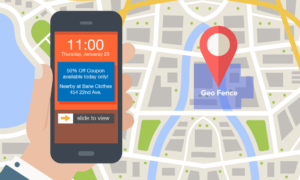
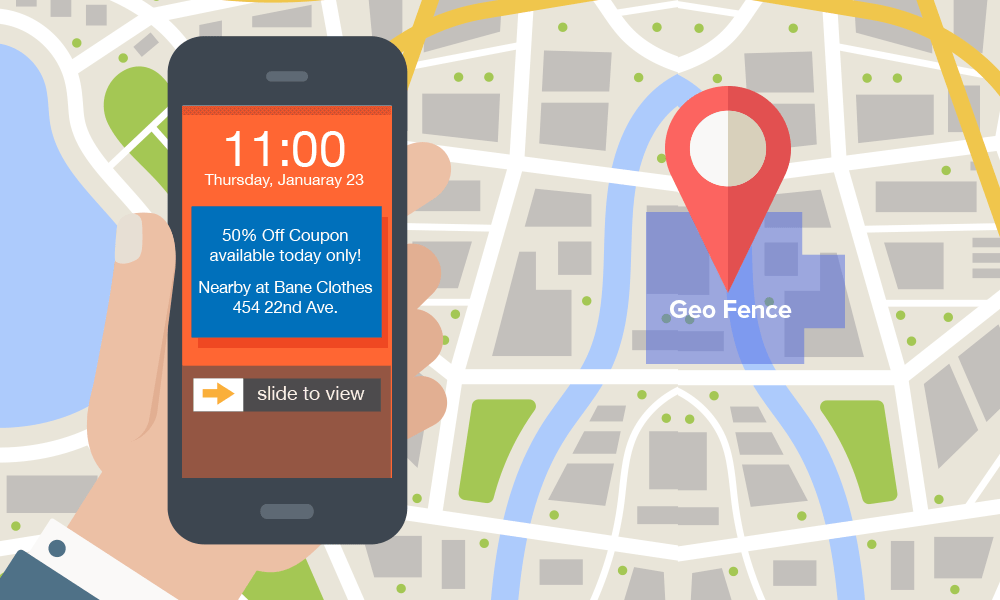
Geofencing marketing is location-based ads where a user’s location is recorded via the internet, and advertisements are only shown to people in a specific location target.

Marketing professionals use geofencing to pinpoint specific advertisements based on the target audiences exact location.

The targeted users participate in location targeting when they use applications or programs where they are prompted to enter their location or allow a web service to access their location.

Geofencing ad campaigns are ideal to find consumers based on exact locations and serve “hyper-local” advertisements and messages. Geofencing campaigns can be set up across multiple types of online advertising campaigns, such as search engine advertising, display advertising, remarketing, and video advertising.

Here are some examples of how businesses can use geofencing to enhance their digital marketing efforts and unleash the full power of geofencing marketing:

What is geofencing?

Geofencing advertising is supported by Google Adwords, Facebook and Instagram. Once you select Locations you can expand the geofencing options in the Google Adwords campaign.

For most local geofencing marketing campaigns, you will select the option of entering a location.  Most of the tools have preset locations already loaded, especially large or highly populated areas.

The best part is Geofencing is incredibly affordable. Neither Facebook nor Google Adwords charges any additional fees to set up geofencing campaigns.

Not only is geofencing cheap and relatively easy to do, it’s effective. You add more specific targeting layers to local online marketing campaigns, which boosts performance.

For local businesses, the more locally targeted your message is, the better it’s going to perform when your customers are local.

If you’re looking for help with your Google Ads campaign, contact Braveheart Digital Marketing. We’re a PPC agency in Manchester, NH that can help you create a successful campaign and achieve your business goals. Get in touch today to learn more!
Facebook

Recent Posts

What is geofencing?

What Is Geofencing?

What is Geofencing? Geofencing marketing is location-based ads where a user’s location is recorded via the internet, and advertisements are only shown to people in

Read More »
Local SEO 2026

Local SEO Playbook

The 2026 Local SEO Playbook for SMBs For small and medium-sized businesses (SMBs), being visible in local search results has always been essential to attracting

Read More »
SEO in 2026

SEO in 2026

SEO in 2026 – The 5 SEO Questions Every Business Owner Is Asking If you are still doing SEO the way you did in 2023,

Read More »

PPC in 2026

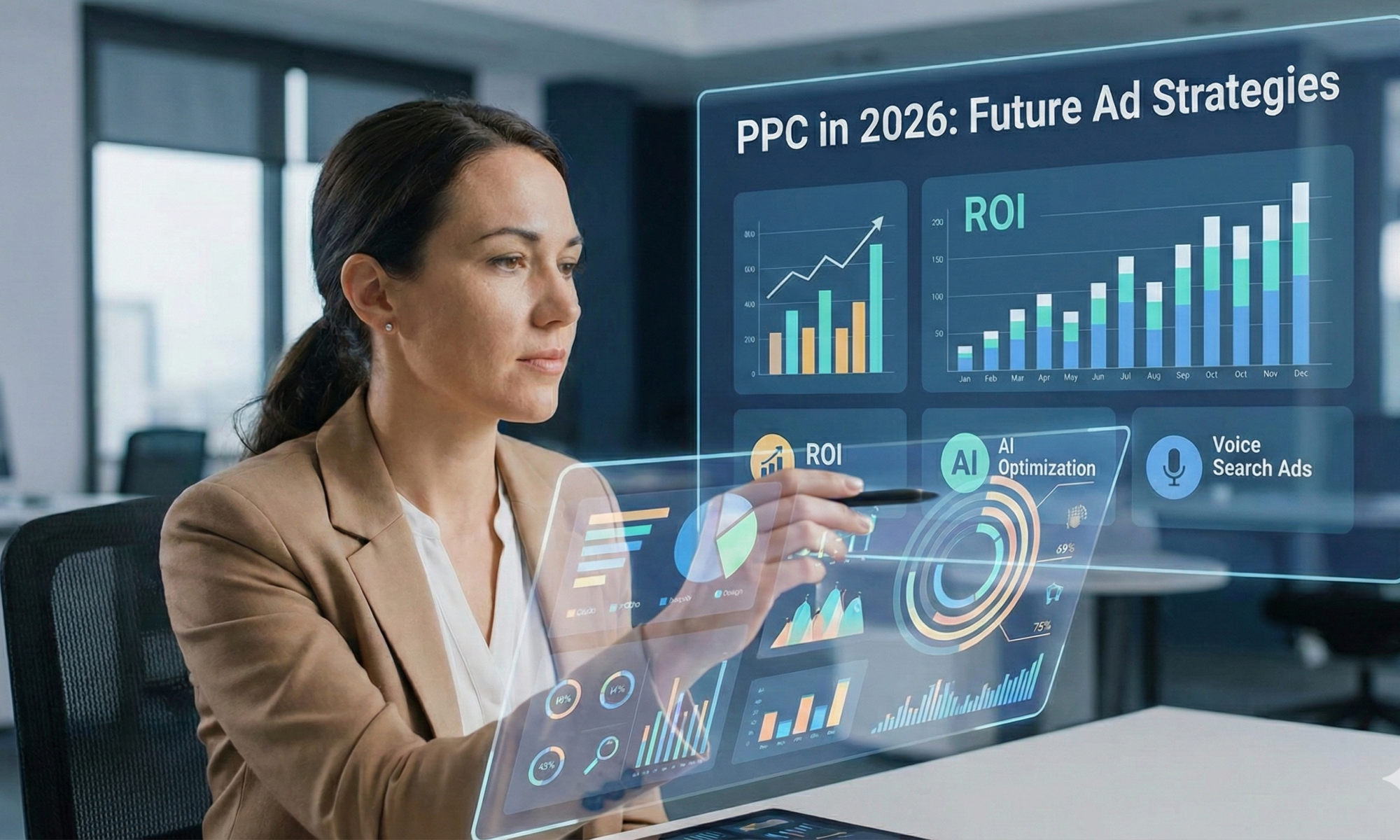
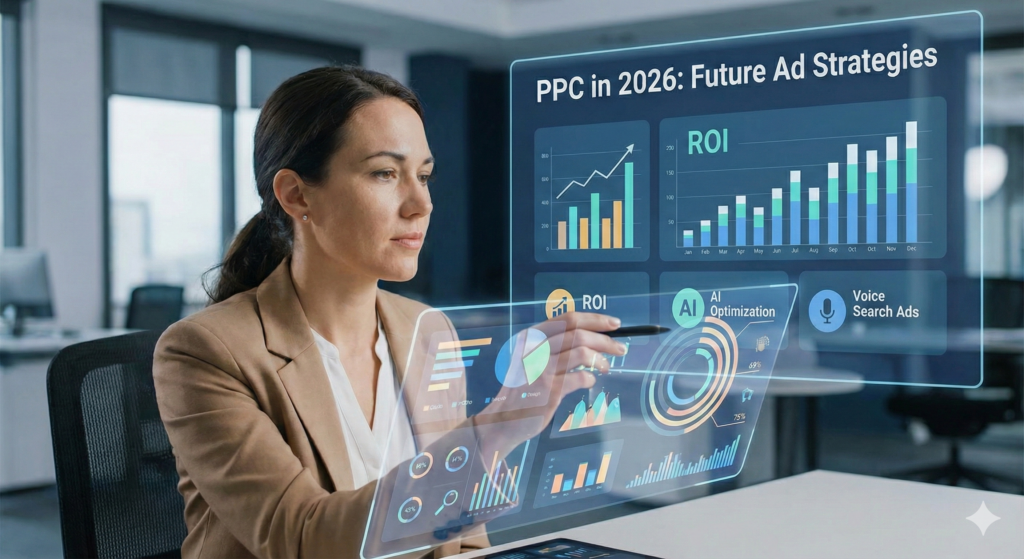
PPC in 2026

The Top 5 Questions About Google & Meta Ads

Paid media has changed more in the last 12 months than in the last decade.
If you are a business owner or marketing director, you have likely felt the shift. Strategies that printed money in 2023 are burning cash today. The reason isn’t just inflation or “bad luck”, it is a fundamental rewriting of how ad platforms work. AI is no longer a buzzword; it is the engine driving every impression on Google and Meta.
At Braveheart Digital Marketing, we help businesses navigate this transition every day. We aren’t just looking at clicks; we are looking at outcomes.
To help you stop guessing and start scaling, we are breaking down the top five questions we receive about running profitable paid media campaigns in the age of AI.
PPC in 2026

1. Why Are My Ad Costs Rising?

It is the number one question we get: “Why am I paying more for the same results?”

The easy answer is competition. But the real answer is AI Saturation.

Almost every advertiser is now using the same automated bidding tools. When everyone uses the same algorithm to find the same customers, demand spikes, and costs rise. But there is a second factor at play: the “Boredom Tax.”
Platforms like Meta and TikTok are prioritizing user retention. If your ads are boring, the platform charges you a premium to show them. If your ads stop the scroll and keep users on the app, you receive a “Creative Discount”, cheaper impressions and higher-quality traffic.

The Fix:

Stop trying to “hack” the bid strategy. The lever for lowering costs is no longer in the settings; it’s in the creative. Better inputs (images, videos, landing page experience) are the only way to beat rising costs.

2. What Is the Best Campaign Structure Now?

For years, the “best practice” was granular control. You would create dozens of campaigns, hundreds of ad groups, and separate everything by exact match keywords or specific interests.
In 2025, that strategy is dead.

Today, the winning structure is Consolidated Liquidity.

AI tools like Google’s Performance Max (PMax) and Meta’s Advantage+ require massive amounts of data to learn. If you slice your budget into tiny, hyper-segmented buckets, you starve the algorithm. It never gets enough data to optimize.

The Fix:

Consolidate your campaigns. Group your products or services into broader categories and let the AI find the buyers. Your job isn’t to micro-manage the folder structure; it’s to feed the machine high-quality audience signals and creative variety.

3. Should I Trust AI Targeting?

This is the scariest shift for control-freak marketers. Should you really let a robot decide who sees your ads?

The answer is Yes… but.

AI is incredibly effective at finding new customers, often people you never would have targeted manually. However, AI lacks business context. It will happily spend your budget finding “cheap” traffic that never converts if you don’t give it the right guardrails.

The Fix:

Think of AI as the Autopilot. It flies the plane, but you must enter the destination. We call this Guided Automation. You trust the AI to find the user, but you trust yourself to define the conversion goals and the message. Never “set it and forget it.”

4. How Do I Lower My CPA Without Losing Conversions?

Everyone wants a lower Cost Per Acquisition (CPA). The old way to do this was to lower your bids or narrow your targeting. The new way is to improve your Relevance.

Algorithms today are obsessed with relevance. They want to show the right message to the right person at the exact right moment. When your ad angle matches the user’s specific pain point perfectly, your costs drop.

The Fix:

Stop testing button colors and start testing Angles.
If you sell home security, don’t just run one generic ad. Run one angle focused on “Safety” and another focused on “Smart Tech.” One of those angles will resonate more deeply with a specific segment of your audience, drastically lowering the cost to convert them.

5. What Paid Media Budget Do I Need for Real Results?

“How much should I spend?” is a trick question. It depends on your industry and competition. However, regarding technical success, there is a clear rule.

We call it the Rule of 50.

To exit the “Learning Phase” and start optimizing efficiently, ad platforms generally need about 50 conversion events within a 30-day window.

The Fix:

Do the math. If your target CPA is $50, you need a monthly budget of roughly $2,500 ($50 x 50 conversions) to give the AI enough data to work. If you spend significantly less, the system is flying blind. Small budgets can still win, but they require tighter creative alignment and flawless landing pages to make up for the lack of data.

The Bottom Line: Inputs > Settings

The era of winning PPC by tweaking technical settings is over. The winners in 2026 are the brands that provide the best Inputs: better creative, better offers, and better data.
If your campaigns are stuck in the past, your results will be too.
Ready for predictable results?
At Braveheart Digital Marketing, we manage and optimize campaigns for growth-focused businesses. Let’s look at your strategy.
[Schedule Your PPC Strategy Session]

Related Articles

Recent Posts

GEO FAQs

GEO FAQ

GEO FAQs: Your Advanced Guide to Generative Engine Optimization In our previous post, Generative Engine Optimization FAQs, we explored the fundamentals of GEO and introduced

Read More »

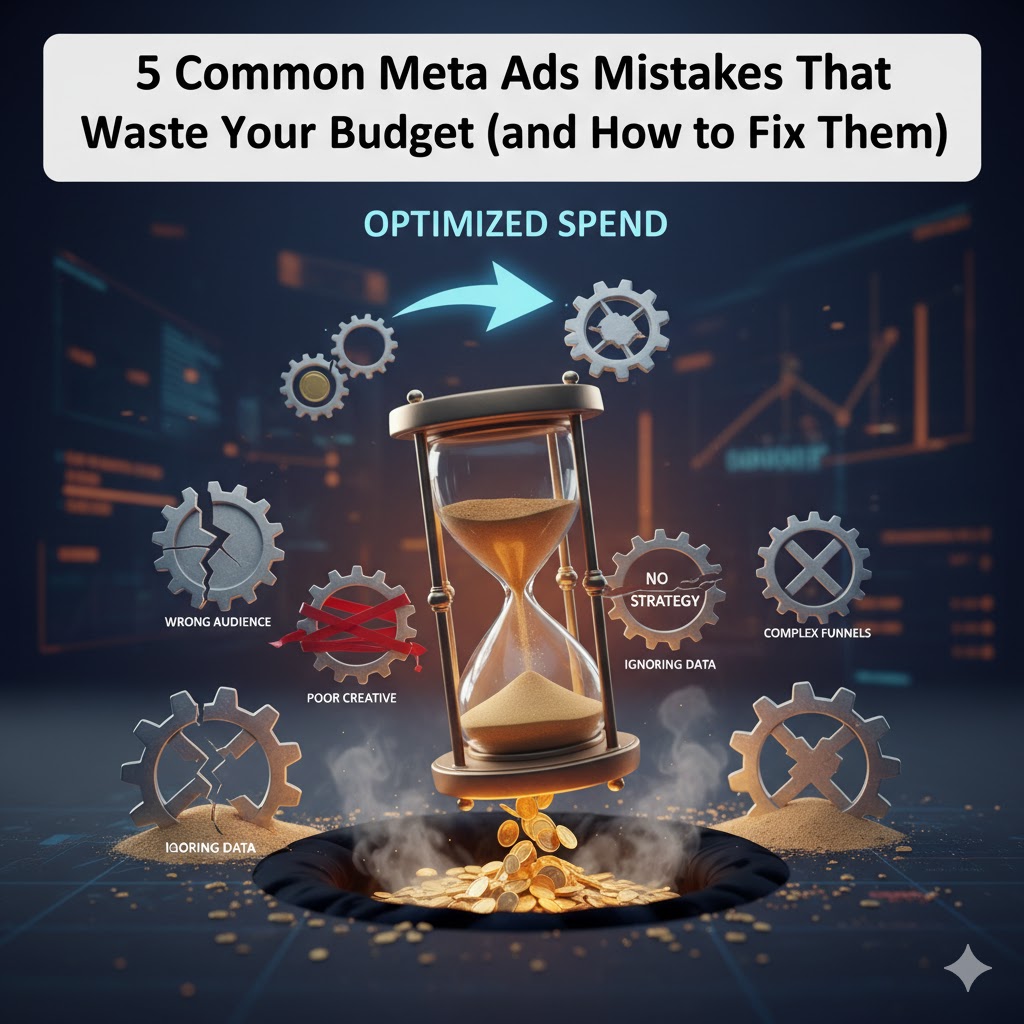
5 Common Meta Ads Mistakes That Waste Your Budget

Common meta mistakes

5 Common Meta Ads Mistakes That Waste Your Budget (and How to Fix Them)

Meta Ads (Facebook and Instagram advertising) remain some of the most powerful tools for reaching potential customers online. But without the right strategy, they can quickly become an expensive guessing game. Many small and medium-sized businesses (SMBs) lose thousands of dollars each year on Meta Ads that fail to convert simply because of a few common setup and management errors.

At Braveheart Digital Marketing, we’ve audited hundreds of Meta Ad accounts, and the same problems appear time and again. Here are the five most common Meta Ads mistakes that waste budget, and how to fix them.

1. Targeting the Wrong Audience

One of the biggest reasons Meta campaigns fail is poor audience targeting. Too often, businesses either cast the net too wide or target audiences so narrowly that performance stalls. Running ads to “all adults in the U.S.” is rarely effective, but overly restricted segments can also prevent your campaigns from exiting the learning phase.
The best approach is to balance reach with relevance. Build Custom Audiences from your website visitors, social engagers, and customer lists, then create Lookalike Audiences based on your highest-value customers. This combination ensures that your ads reach people most likely to convert, not just anyone scrolling by.
Common meta mistakes

2. Using Weak or Fatigued Creative

Your creative is the single biggest factor in Meta Ads performance. Many businesses rely on static images, outdated posts, or generic stock photos that users ignore. Others run the same ad for months without refreshing it, which leads to ad fatigue—when audiences see your ad too often and stop engaging.
Meta is a visual-first platform, so your ads must stand out. Test short videos, Reels, and UGC-style content that feels authentic and captures attention in the first three seconds. Rotate your creative every four to six weeks, and monitor engagement metrics like click-through rate (CTR) and cost per result to gauge when it’s time to update.

3. Choosing the Wrong Campaign Objective

Meta’s algorithm is highly sophisticated—but only when you give it the right goal. Many businesses accidentally choose objectives that don’t match their true intent. For example, selecting “Engagement” might earn likes and comments, but if your goal is sales or leads, those interactions don’t move the needle.
The fix is straightforward: always align your campaign objective with your desired outcome. Use “Leads” when you want inquiries or sign-ups, “Sales” for e-commerce purchases, and “Traffic” only for brand awareness or content distribution. When your objective matches your business goal, Meta’s algorithm can find the right people to deliver measurable results.

4. Neglecting Pixel and Conversion Tracking

If you’re not tracking results accurately, you’re essentially running ads blind. Many advertisers either fail to install the Meta Pixel or neglect to verify that conversion events (such as Add to Cart, Purchase, or Lead) are firing correctly. Without this data, you can’t measure performance, build retargeting audiences, or optimize campaigns effectively.
Install the Meta Pixel and Conversions API, then use Meta’s Event Manager to confirm that your data is flowing correctly. This setup not only improves reporting accuracy but also strengthens Meta’s ability to learn which users are most likely to convert.

5. Ignoring the Full Funnel

The biggest mistake we see among SMBs is running “Buy Now” ads to cold audiences who have never heard of the brand. Cold traffic rarely converts after a single exposure. Successful Meta advertisers understand that the customer journey involves multiple touchpoints.
Build a full-funnel structure for your campaigns. Start with awareness ads that introduce your brand using engaging video or carousel formats. Then use retargeting ads to reach users who watched your videos or visited your site, featuring testimonials, offers, or strong CTAs. This approach mirrors how real people make buying decisions and consistently produces higher-quality leads and sales.
Meta Ads can deliver exceptional results for small and medium-sized businesses—but only when campaigns are managed with focus and precision. Avoiding these five common Meta Ads mistakes will help you spend smarter, reach better audiences, and generate more meaningful results.
If you’re unsure whether your Meta Ads are set up correctly, Braveheart Digital Marketing can help. Our team will review your campaigns, identify inefficiencies, and show you how to turn wasted spend into measurable growth.

Contact us today for a free Meta Ads account audit and discover how to make your advertising budget work harder for you.

Recent Posts

AI marketing team

AI marketing team

How AI Transforms Modern Marketing Teams Every business wants a larger, more capable marketing team, but the reality is that budgets rarely match ambitions. Hiring

Read More »
AEO FAQs

AEO FAQs

AEO FAQs: Your Practical Playbook In Part 1, we covered the strategic foundations of Answer Engine Optimization. Now that you understand its importance, it’s time

Read More »

8 Common PPC Mistakes and How to Fix Them

Common Google Ads mistakes
Top Social Media Agency In NH Award
Top PPC Company in NH Award
Top SEO Agency In New Hampshire Award

8 Common PPC Mistakes and How to Fix Them

Google Ads can be one of the most effective ways to drive traffic and generate leads for your business. When managed strategically, pay-per-click (PPC) campaigns can deliver immediate results and measurable ROI. However, many small and medium-sized businesses (SMBs) waste valuable budget due to avoidable setup and management errors.

At Braveheart Digital Marketing, we audit Google Ads accounts every week and often find the same recurring issues that limit performance. Here are the eight most common Google Ads mistakes we see—and how to fix them so your campaigns perform at their full potential.

1. Targeting Too Broadly

One of the biggest mistakes businesses make is setting their targeting too wide. Choosing broad keywords like “plumber” or “lawyer” may seem logical at first, but it often leads to wasted ad spend on irrelevant searches. You end up paying for clicks from users outside your service area or those with no real intention to buy.
To fix this, narrow your audience using long-tail keywords such as “emergency plumber in Manchester NH” or “family lawyer near Boston.” Combine this with location targeting and a regularly updated negative keyword list to eliminate irrelevant traffic. The more precise your targeting, the higher your conversion potential.
Common Google Ads mistakes
8 Common PPC Mistakes

2. Poor Keyword Strategy

Your campaign is only as strong as the keywords behind it. Many businesses skip proper keyword research or bid on terms that are too generic. While broad, high-volume keywords can generate clicks, they often attract users who aren’t ready to convert.
Focus instead on specific, intent-driven keywords that match what your ideal customers are searching for. Use tools like Google Keyword Planner to uncover these opportunities. Avoid trying to target too many keywords at once—build tightly themed ad groups around a few core phrases to improve relevance and Quality Score.

3. Not Using Negative Keywords

Another frequent and costly mistake is neglecting negative keywords. Without them, your ads may appear for irrelevant searches such as “free,” “DIY,” or unrelated products. This leads to wasted clicks, lower Quality Scores, and inflated costs.
Create a comprehensive list of negative keywords before launching your campaign, and update it weekly using the Search Terms Report in Google Ads. This small habit can significantly reduce wasted spend and increase your overall return on investment.

4. Sending Traffic to the Wrong Page

Your ad should never lead users to your homepage unless the homepage directly matches the ad’s message and offer. Too many businesses make this mistake, sending paid traffic to generic pages that don’t align with user intent.
Instead, direct users to a dedicated landing page built specifically for your campaign. The page should mirror your ad copy, deliver on its promise, and feature one clear call-to-action such as “Get a Free Estimate” or “Schedule a Consultation.” When the message from ad to landing page is consistent, conversion rates rise dramatically.

5. Weak or Irrelevant Ad Copy

Ad copy plays a critical role in attracting the right clicks. Using vague phrases like “Best service at great prices” doesn’t tell users why your business is different or why they should choose you.
Write ad copy that directly reflects the keyword being searched, clearly communicates your value proposition, and includes a strong call-to-action. For example, “24/7 Licensed Emergency Plumber – Book a Free Estimate Today” is more compelling than a generic headline. Relevant, persuasive copy also improves your Quality Score and lowers your cost per click.

6. Not Testing or Optimizing Ads

One of the biggest mistakes we see is the “set it and forget it” approach. Businesses launch a campaign and never revisit it, assuming it will continue to perform well. In reality, even well-designed campaigns decline over time as algorithms change and competitors adjust.
Use A/B testing to compare variations of headlines, descriptions, and CTAs. Review your performance data weekly, then allocate more budget to top-performing ads and pause underperformers. Testing is not optional—it’s how you consistently improve results and maximize return on ad spend.

7. Ignoring Conversion Tracking

If you are not tracking conversions, you’re guessing. Running ads without knowing which clicks lead to form submissions, calls, or sales makes optimization impossible.
Set up conversion tracking through Google Ads or Google Tag Manager to measure the actions that matter most to your business. Avoid focusing on vanity metrics like impressions or clicks. Instead, track meaningful conversions such as lead forms, phone calls, or online purchases. Data-driven insights are essential to making smart adjustments.

8. Failing to Monitor Campaigns Regularly

The digital advertising landscape changes constantly. Keywords fluctuate in cost, competition evolves, and user behavior shifts. Many advertisers make the mistake of launching campaigns and then neglecting to review them consistently.
Successful Google Ads campaigns require ongoing monitoring and maintenance. Review performance data weekly, check your search terms, and refine targeting or bids as needed. Regular optimization prevents wasted budget and ensures your campaigns continue to drive measurable results.
Google Ads remains one of the most powerful marketing tools available to small and medium-sized businesses. When managed strategically, it can deliver a steady flow of leads and sales. However, avoiding these eight common Google Ads mistakes is essential to achieving sustainable success.
If you suspect your current campaigns could be performing better, Braveheart Digital Marketing can help. Our team specializes in optimizing PPC accounts for efficiency and growth.

Contact us today for a free Google Ads account audit and learn how to turn your ad spend into predictable, profitable results.

Recent Posts

generative AI framework

Generative AI Roadmap

Unlock Your AI Potential: A Practical Roadmap for Small Businesses The world of Artificial Intelligence is evolving at a breathtaking pace, and for small businesses,

Read More »
scaling ai use cases

Scaling AI Use Cases

Scaling AI Use Cases: Playbook for Business Growth You’ve successfully piloted an AI solution, measured its ROI, and perhaps even operationalized it. That’s a huge

Read More »
AI ROI Measurement

AI ROI Measurement

AI ROI Measurement You’ve launched an AI pilot, your team is getting familiar with the tools, and you’re seeing some promising early signs. But when

Read More »

B2B lead generation channels

B2B lead generation channels

Top B2B Lead Generation Channels in 2025 | Data-Backed Guide to Higher ROI

Back in 2018 a single survey claimed that “Search beats every other channel for lead generation.” A lot has changed since then; privacy rules, AI search overviews, the explosion of video, and (let’s be honest) buyer behavior. Below is the fresh evidence B2B marketers need to make budget calls today.

Organic Search (SEO)

SEO retains its position as the largest single driver of B2B revenue. Recent analysis shows that organic search contributes 44.6 percent of all B2B revenue, roughly double the share of the next-closest channel. Because so many buyers begin their research on Google, ranking for high-intent queries is still the surest way to capture demand that’s already in market.

B2B lead generation channels

Email Marketing

While search brings prospects to your front door, email is often the channel that persuades them to step inside. The latest Litmus data places the average email ROI at $42 for every dollar invested, an efficiency figure no other channel matches on a pure cost-return basis.  List quality, segmentation, and crisp, value-driven copy remain the levers that separate top performers from batch-and-blast senders.

Social Media

HubSpot’s 2024 State of Marketing report found that 63 percent of marketers call social their highest-ROI channel, with another 43 percent naming email. Within social, YouTube now edges out every other network for financial return, while Facebook and Instagram follow closely behind.  LinkedIn continues to dominate for lead quality: 40 percent of B2B marketers say it is their most effective source of high-quality leads, and 89 percent rely on it for lead generation. 

Events and Webinars

Face-to-face experiences have roared back. A Content Marketing Institute study reports that in-person events and webinars are the two distribution methods B2B marketers call most effective, at 52 percent and 51 percent respectively. Separate research among U.S. and U.K. event marketers found that 78 percent consider events the single most effective marketing channel for their company.  These findings underline how strongly buyers still value live demonstrations, peer interaction, and unscripted access to subject-matter experts.

Paid Search

When budgets shift to acquisition, paid search remains the safest bet for harvesting demand you have already created. In the same CMI survey, 61 percent of B2B marketers said SEM/PPC produced the best results of any paid tactic. Tight match-type control, robust negative-keyword lists, and refined audience layering are critical as rising CPCs test profitability.

What This Means for Your 2025 Plan

The numbers paint a clear picture: organic search is still the largest revenue engine, email delivers the cleanest ROI, social drives both reach and engagement, events accelerate trust, and paid search converts latent intent into pipeline. Instead of betting everything on one channel—as the 2018 post implied—successful B2B teams now integrate these disciplines. They attract informed prospects through search-optimized content, stay top-of-mind with segmented nurture streams, turn social feeds into conversation hubs, deepen credibility through live experiences, and close the loop with precisely targeted ads.
In short, the best lead-generation strategy for 2025 is not channel supremacy but channel choreography.
Facebook
LinkedIn

Recent Posts

ai pilot program

AI Pilot Program

AI Pilot Program The allure of AI is undeniable. Companies everywhere are eager to harness its power, but far too often, their AI pilot programs

Read More »

SEO Provides the Best ROI of Any Inbound Marketing Channel

Technical SEO

SEO ROI Beats All Other Marketing Channels

I built my first website in 1996. Back then, ranking in search engines was as simple as tweaking a meta keyword tag. Fast-forward to today, and search engine algorithms have evolved dramatically, demanding deep expertise and a strategic approach to win at SEO. Despite the complexity, SEO remains the most productive and cost-effective way to generate qualified leads and loyal customers.

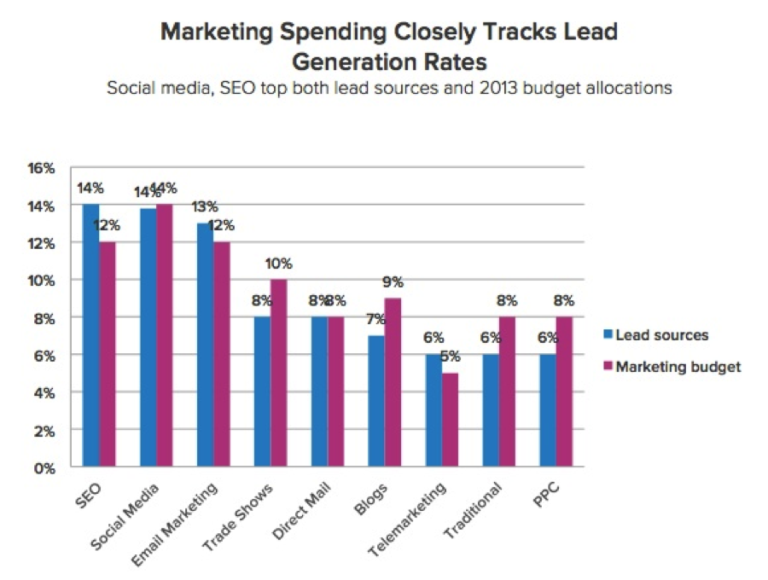
Marketing Spend Tracks Lead Generation Rates

Recent data underscores how SEO leads the pack. According to a 2024 survey by BrightEdge, 53% of all trackable website traffic comes from organic search, compared to just 15% from paid search and 5% from social media. That means more than half of your potential customers are starting their journey on search engines like Google.
On average, businesses allocate 13% of their marketing budgets to SEO, yet it generates 14% of their total leads. Compare this with PPC, which typically receives 8% of the budget but produces only 6% of leads. If your marketing spend leans heavily toward PPC at the expense of SEO, you may be leaving significant opportunities on the table.
Marketing Spend closely tracks led generation rates

The Quality of SEO Leads Is Unmatched

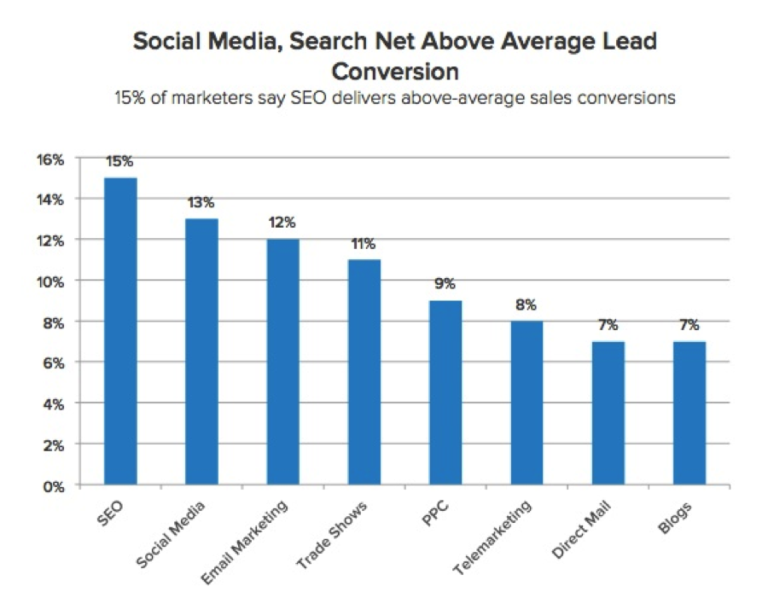
It’s not just the volume of leads that makes SEO a standout channel—it’s the quality of those leads. SEO-driven leads are more likely to convert because they align closely with user intent. HubSpot’s 2023 State of Marketing Report revealed that SEO has the highest inbound conversion rate, at 14.6%, compared to 1.7% for outbound methods like cold calling or direct mail. That means prospects coming from organic search are more primed to engage with your product or service.
SEO delivers best ROI of any marketing channel

Why SEO Delivers the Best ROI

The numbers tell a compelling story. SEO consistently outperforms other inbound marketing channels in ROI because it offers:

1. Sustained Results: Unlike PPC, which stops generating traffic the moment you pause your ads, SEO efforts compound over time. A well-optimized site continues to attract organic traffic long after the initial investment.

2. Lower Cost per Acquisition (CPA): With high conversion rates and no ongoing ad spend, SEO delivers one of the lowest CPAs in digital marketing.

3.Scalable Growth: As search engines prioritize user-friendly and content-rich websites, investing in SEO not only boosts traffic but enhances your overall digital presence.

Don’t Let SEO’s Complexity Hold You Back

Marketers often shy away from SEO because it feels complex or hard to execute. However, with the right strategy and resources, SEO can become a cornerstone of your marketing success. If your organic search traffic has dropped in the past few years, it’s likely due to technical issues or outdated strategies.
Here’s how you can turn it around:

Perform a Technical SEO Audit: Identify and fix site issues such as slow load times, broken links, or duplicate content.

Prioritize High-Value Keywords: Focus on terms that align with your audience’s intent and buying journey.

Invest in Content Marketing: High-quality, optimized content drives traffic and establishes authority in your niche.

Take Action Today

Don’t let your competitors take the lead. SEO remains the most reliable and cost-effective way to attract and convert customers. Contact us today to learn how we can help you unlock the full potential of your SEO campaigns. Whether it’s improving your rankings or boosting your ROI, the right SEO strategy will position your business for long-term success.
By updating your approach to SEO, you’re not just investing in a marketing channel—you’re building a sustainable growth engine for your business. The best ROI is within reach—are you ready to claim it?

Recent Posts

paid social media roas

Paid Social Media ROAS

Why Your Paid Social Media Ads Aren’t Delivering ROAS—And How to Fix It You’ve invested in paid social media advertising. You’ve committed budget, time, and

Read More »
Search Visibility

Search Visibility

How to Improve Search Visibility and Drive More Organic Traffic For many businesses, low search visibility is a persistent challenge that directly impacts their ability

Read More »

Is Perplexity A New Option For Paid Ads

Perplexity paid ads

Perplexity Paid Ads Within AI Search and Its Implications

As the landscape of digital marketing continues to evolve, Perplexity, an AI-driven search engine, is stepping into new territory by introducing Perplexity paid ads within its AI search results. This innovative move, set to begin later this quarter, marks a significant shift in how advertisements are integrated into search engines, blending traditional ad revenue models with cutting-edge AI technology. The introduction of Perplexity paid ads promises to reshape the relationship between advertisers, publishers, and AI-powered search platforms.

A New Business Model: Integrating Ads in AI Search

Perplexity’s new business model revolves around a revenue-sharing approach where brands can purchase “related follow-up questions” that appear beneath the primary response to a user’s query. These sponsored questions will be clearly marked as such, ensuring transparency for users. Each brand will pay a fee for every thousand user views of these sponsored questions. Notably, when a publisher’s content is utilized to form an answer to a sponsored question, that publisher receives a share of the ad revenue, which Perplexity describes as a “double digit” percentage.
Perplexity paid ads
Additionally, Perplexity paid ads offer publisher partners access to its large language models via an API, enabling them to develop their own answer engines based on their content. This feature could allow publishers to innovate by providing direct answers to users’ queries, potentially increasing user engagement with their content.

Addressing the Content Scraping Controversy

Perplexity has not been without controversy. The company faced backlash for scraping publishers’ content to generate answers, sometimes even after publishers explicitly denied permission. Traditional search engines typically drive traffic to various sites, allowing users to engage directly with the original content. In contrast, AI-driven search tools like Perplexity compile comprehensive answers from a pre-indexed database, which can reduce direct engagement with original sources. This model can potentially deprive publishers of site visits that might lead to subscriptions, ad views, or social media shares.
In response to these concerns, Perplexity has been revising its processes and products. The company has updated how it indexes and cites sources, and it is actively collecting feedback from publisher partners such as Time, Fortune, Entrepreneur, and Der Spiegel. These efforts are aimed at refining its platform to better balance the interests of content creators with its own operational needs.

The Implications for Paid Search

Perplexity’s introduction of Perplexity paid ads within AI search results has broad implications for the paid search landscape. The launch of Perplexity paid ads brings several key considerations to the forefront:

New Ad Formats and Inventory: The “related follow-up questions” ad format presents a novel opportunity for brands to engage users in a more interactive and contextual manner. This new inventory could attract advertisers seeking fresh ways to connect with audiences, potentially leading to shifts in ad spend from traditional platforms.

Shift in User Behavior: As users grow accustomed to receiving comprehensive answers directly from AI searches, the likelihood of clicking through to traditional search result pages may decrease. This could result in lower click-through rates (CTRs) for standard paid search ads, prompting advertisers to rethink their strategies.

Changes in Bidding Strategies: With the introduction of AI-generated follow-up questions, advertisers will need to develop new bidding strategies. These strategies may differ significantly from traditional keyword bidding, focusing more on the relevance and engagement potential of follow-up content.

Focus on Content Quality: The value of high-quality, informative content is likely to increase, as publishers who produce such content can benefit from the revenue-sharing model when their material is used in AI-generated answers.

Evolving Metrics and Measurement: The traditional metrics of ad effectiveness, such as CTRs, may become less relevant in this new environment. Instead, metrics may shift towards impressions and engagement with follow-up questions.

Publisher-Advertiser Dynamics: The revenue-sharing model proposed by Perplexity could redefine relationships between search engines, advertisers, and publishers, potentially fostering new types of partnerships and collaborative efforts.

Competitive Pressures and Innovations: If Perplexity’s model proves successful, it could challenge Google’s dominance in the paid search market, prompting innovations in ad offerings from other major players.

Changes in Ad Inventory Dynamics: The nature and availability of ad inventory will likely evolve, influencing pricing and competition within the paid search market.

Adaptation Challenges: Advertisers and agencies will need to adapt their tools and methodologies to manage campaigns effectively across both traditional and AI-driven search platforms.

These factors highlight how Perplexity paid ads are poised to reshape the digital advertising ecosystem, challenging marketers to adapt their strategies in this AI-driven search environment. This development is a significant shift in the digital marketing landscape, with potential ripple effects on user behavior, advertising strategies, and the broader ecosystem of content creation and monetization.
As the industry adapts to these changes, stakeholders will need to innovate and collaborate to navigate this new frontier effectively.

Paid search engine marketing is one of the most efficient and effective ways to reach your target market, but it can be difficult to know where to start or how to get the most out of your investment. Without a well-run PPC campaign, you’re leaving money on the table and your competitors are taking all of your potential customers. Our team of experienced PPC professionals will work with you to create and manage a high-performing paid search marketing strategy that will help you reach your business goals. We’ll help you target the right keywords, create effective ads, and track your results so that you can make data-driven decisions about your marketing campaigns.

Recent Posts

Guide to creating killer buyer personas

Creating Killer Buyer Personas

Creating Killer Buyer Personas: The Strategic Imperative for Smart Marketing In today’s digital-first economy, understanding your customer is no longer a luxury—it’s a strategic necessity.

Read More »
2025 social media strategies

Social Media Strategies

10 Proven Social Media Strategies to Dominate in 2025 In the dynamic landscape of 2025, mastering social media requires a strategic approach tailored to evolving

Read More »
AI Agents

AI Agents

AI Agents Have Arrived: Is Your Website Ready? In the rapidly evolving world of digital marketing, a seismic shift is upon us. For months, there

Read More »

The Three Traffic Sources For Startups

Traffic Sources For Startups

The Three Traffic Sources For Startups

I was recently re-reading Randall Stross’s book, The Launch Pad: Inside Y Combinator, Silicon Valley’s Most Exclusive School for Startups. Inside is a quote from Y Combinator co-founder Paul Graham about growth rates for start-up

A good growth rate during YC is 5-7% a week. If you can hit 10% a week you’re doing exceptionally well. If you can only manage 1%, it’s a sign you haven’t yet figured out what you’re doing. A 5%-7% weekly growth rate is extremely aggressive but if you want your start-up to get traction in the market, it’s a good growth number to aim for..
Y Combinator Logo
Paul Graham
Y Combinator

The big question then is “How do you do that”? There are three traffic sources for  startup. In order to be successful and meet Paul Graham’s growth target you need to master at least one of these, if not two of these traffic sources.

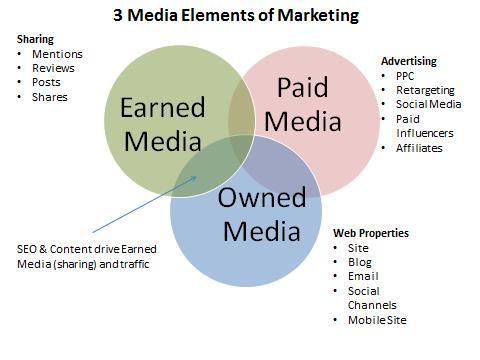
Rented or Paid Traffic

The first traffic source that most start-ups use is paid traffic. Paid traffic gives you time to allow your other traffic channels to grow and evolve. It allows you to get product market fit, find those first customers, and find out if you have product market fit
The most common paid traffic sources are Google Adwords (PPC), Facebook ads, display ads, retargeting, paid influencers, and paid content promotion.
With paid traffic, you can contribute content and engage with the audience. You might be able to control the conversation, but you do not own anything else (data, relationship, creativity, etc. etc.). Hence the name rented traffic.
Without the initial steady stream of visitors from paid traffic, you might never get enough data to growth hack your way to success. That is why paid traffic is many startups’ most important traffic source. Over time, that might change, but it is rare to see a startup succeed that does not buy its initial visitors.
traffic sources for startups

Owned Traffic

The second most common traffic source is owned traffic. Owned traffic is traffic from properties that you own. You own the customer relationships. You make the decisions around content, creativity, and evolution. The more owned properties you have, the more chances you can drive traffic to your website.
Examples of owned properties are websites, blogs, and customer forums. Social media properties like Facebook, LinkedIn, Pinterest, and Twitter can also be considered “owned sites”.
One of the most overlooked traffic sources is your email list. You have total control over the timing of the messages you send to your subscribers. And when you click “send,” your messages get delivered straight to them.
The challenge for start-ups is that owned traffic takes time. It takes time to organically grow a following via social media or build an email list. That is why owned traffic is usually the second traffic source that startups tackle.

Earned Traffic

The third traffic source is Earned or influenced traffic. This traffic is online word of mouth, usually seen in the form of mentions, shares, reposts, reviews, recommendations, or content picked up by 3rd party sites. It is a traffic source that you cannot directly control. For example, you cannot directly control whether people will “Like” you on Facebook, follow you on Twitter, and then visit your website and become your customer.

Nor can you control whether a piece of content you have produced goes viral. Earned traffic also includes organic traffic from search engines. Traffic from organic search is considered earned traffic as you cannot control how much traffic the search engines can send you. But like other influenced traffic you can impact this by following SEO best practices. The challenge for startups with earned traffic is that it is too difficult to predicate, especially in the early stages.

You cannot build a growth strategy hoping that you make it to the front page of Hacker News or Business Insider. This is usually the third traffic channel that startups focus on.

Frequently Asked Questions About Traffic Sources For Startups

How can I determine which paid traffic sources are best for my startup?

To determine which paid traffic sources are best for your startup, you should begin by identifying your target audience. Understand who your customers are and where they spend their time online by using tools like Google Analytics and social media insights to gather demographic data and behavioral patterns. Knowing your audience helps you select the right platforms where they are most active.

Next, evaluate your budget. Different paid traffic sources come with varying costs. For instance, Google AdWords and Facebook ads offer flexible budgeting options, while paid influencers or display ads might require a more substantial investment. Determine your budget and allocate funds to the platforms that offer the best return on investment (ROI).

Analyzing competitor strategies is also beneficial. Look at where your competitors are investing their advertising dollars using tools like SEMrush or Ahrefs. This can provide valuable insights into effective paid traffic sources for your industry.

Start with a small budget and test ads on multiple platforms like Google AdWords, Facebook ads, and LinkedIn ads. Monitor the performance of each campaign in terms of clicks, conversions, and cost per acquisition (CPA). Testing allows you to see which platforms yield the best results for your business.

Additionally, leverage retargeting to reach users who have previously visited your website but did not convert. Retargeting on platforms like Google Display Network and Facebook can help increase conversions by keeping your brand top-of-mind for potential customers.

Once you identify the platforms that perform best, focus on optimizing your campaigns by refining your targeting, ad copy, and creatives. Scale up your budget on the top-performing platforms to maximize your reach and conversions. By following these steps, you can effectively determine the best paid traffic sources for your startup and achieve your growth targets.

What strategies can I use to effectively grow my owned traffic?

To effectively grow your owned traffic, start by focusing on creating high-quality content that resonates with your audience. Develop a content strategy that includes blog posts, videos, infographics, and other types of content that provide value to your visitors. Ensure that your content is informative, engaging, and relevant to your target audience.

Next, optimize your website for search engines (SEO). Use keyword research tools to identify the terms your potential customers are searching for, and incorporate these keywords naturally into your content. Make sure your website is technically optimized with fast loading times, mobile responsiveness, and a clear site structure. Regularly update your content to keep it fresh and relevant, which can help improve your rankings on search engine results pages.

Building an email list is another crucial strategy. Encourage visitors to subscribe to your newsletter by offering valuable incentives like exclusive content, discounts, or free resources. Once you have a list of subscribers, send regular, high-quality emails that provide value and keep your audience engaged. Email marketing is a powerful tool for driving repeat traffic to your website.

Leverage social media to drive traffic to your owned properties. Share your content across various social media platforms and engage with your audience by responding to comments and messages. Use social media to build relationships with your followers, and encourage them to visit your website for more in-depth information.

Another effective strategy is to utilize internal linking within your website. Link to related content on your site to keep visitors engaged and encourage them to explore more of your pages. This not only improves user experience but also helps search engines understand the structure of your website, potentially boosting your SEO efforts.

Collaborate with influencers and other businesses in your industry to expand your reach. Guest blogging, co-hosting webinars, and participating in online events can introduce your brand to new audiences and drive traffic to your website. These partnerships can also enhance your credibility and authority within your industry.

Lastly, analyze your traffic data regularly using tools like Google Analytics. Understand which strategies are driving the most traffic and which areas need improvement. Continuously refine your approach based on these insights to ensure your efforts are effective and aligned with your business goals.

By implementing these strategies, you can effectively grow your owned traffic, increase engagement, and build a loyal audience for your startup.

How can I increase earned traffic for my startup?

To increase earned traffic for your startup, start by creating high-quality, shareable content. Focus on producing content that is valuable, engaging, and relevant to your target audience. This could include blog posts, videos, infographics, and interactive content that people find useful and interesting enough to share with others.

Optimize your content for SEO to attract organic search traffic. Use keyword research to identify popular search terms related to your industry and incorporate these keywords naturally into your content. Ensure your website is optimized for search engines by improving page load times, ensuring mobile responsiveness, and creating a clear site structure. High-ranking content on search engine results pages can drive significant earned traffic to your site.

Leverage social media platforms to amplify your content. Share your content across various social media channels and engage with your audience by responding to comments and participating in discussions. Use social media to build relationships with your followers and encourage them to share your content with their networks. The more your content is shared, the more earned traffic you can generate.

Engage with influencers and thought leaders in your industry. Collaborate with them on content, such as guest blog posts, interviews, and social media takeovers. Influencers can help increase your reach and credibility, driving more earned traffic to your website as their followers engage with your content.

Encourage user-generated content by creating opportunities for your audience to contribute. This could include running contests, creating branded hashtags, or featuring customer testimonials and reviews. User-generated content not only boosts engagement but also increases the likelihood of your content being shared, thereby driving more earned traffic.

Earn backlinks from reputable websites to improve your site’s authority and search engine ranking. Reach out to industry blogs, news sites, and online publications to pitch your content and ask for backlinks. High-quality backlinks signal to search engines that your content is trustworthy and authoritative, which can help increase organic traffic to your site.

Participate in online communities and forums related to your industry. Share your expertise and provide valuable insights in discussions. Include links to your content when relevant and appropriate, but avoid spamming. Being an active and helpful member of these communities can drive traffic to your website as people become more aware of your brand and seek out your content.

Lastly, continuously analyze your traffic data to understand what is working and what needs improvement. Use tools like Google Analytics to track your earned traffic sources and identify successful strategies. Refine your approach based on these insights to maximize your earned traffic over time.

By implementing these strategies, you can effectively increase earned traffic for your startup, enhancing your visibility and attracting more potential customers.
Facebook
Twitter
LinkedIn

Recent Posts

Social Media ROI

Social Media ROI

How To Maximize Your Paid Social ROI in 2025 As we step into 2025, the digital advertising landscape continues to evolve at breakneck speed. With
Read More »