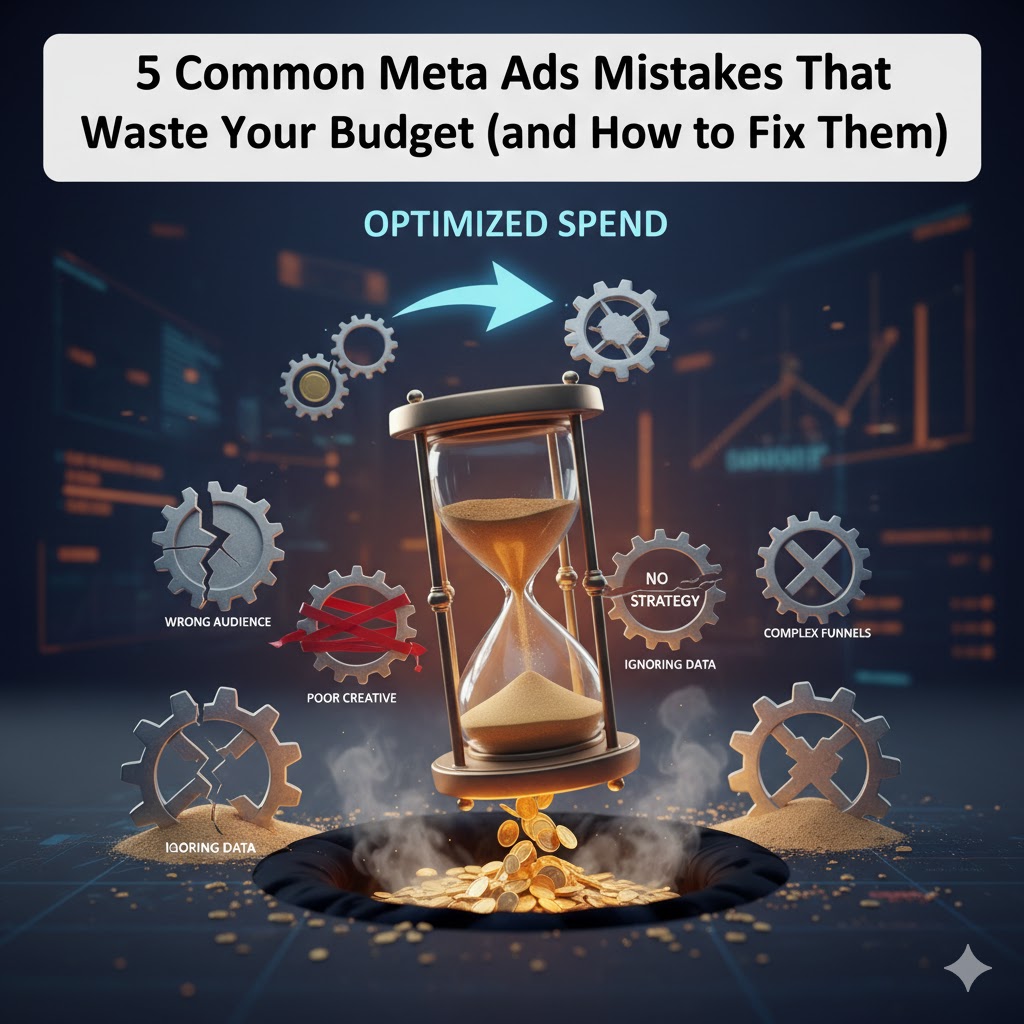
5 Common Meta Ads Mistakes That Waste Your Budget

Common meta mistakes

5 Common Meta Ads Mistakes That Waste Your Budget (and How to Fix Them)

Meta Ads (Facebook and Instagram advertising) remain some of the most powerful tools for reaching potential customers online. But without the right strategy, they can quickly become an expensive guessing game. Many small and medium-sized businesses (SMBs) lose thousands of dollars each year on Meta Ads that fail to convert simply because of a few common setup and management errors.

At Braveheart Digital Marketing, we’ve audited hundreds of Meta Ad accounts, and the same problems appear time and again. Here are the five most common Meta Ads mistakes that waste budget, and how to fix them.

1. Targeting the Wrong Audience

One of the biggest reasons Meta campaigns fail is poor audience targeting. Too often, businesses either cast the net too wide or target audiences so narrowly that performance stalls. Running ads to “all adults in the U.S.” is rarely effective, but overly restricted segments can also prevent your campaigns from exiting the learning phase.
The best approach is to balance reach with relevance. Build Custom Audiences from your website visitors, social engagers, and customer lists, then create Lookalike Audiences based on your highest-value customers. This combination ensures that your ads reach people most likely to convert, not just anyone scrolling by.
Common meta mistakes

2. Using Weak or Fatigued Creative

Your creative is the single biggest factor in Meta Ads performance. Many businesses rely on static images, outdated posts, or generic stock photos that users ignore. Others run the same ad for months without refreshing it, which leads to ad fatigue—when audiences see your ad too often and stop engaging.
Meta is a visual-first platform, so your ads must stand out. Test short videos, Reels, and UGC-style content that feels authentic and captures attention in the first three seconds. Rotate your creative every four to six weeks, and monitor engagement metrics like click-through rate (CTR) and cost per result to gauge when it’s time to update.

3. Choosing the Wrong Campaign Objective

Meta’s algorithm is highly sophisticated—but only when you give it the right goal. Many businesses accidentally choose objectives that don’t match their true intent. For example, selecting “Engagement” might earn likes and comments, but if your goal is sales or leads, those interactions don’t move the needle.
The fix is straightforward: always align your campaign objective with your desired outcome. Use “Leads” when you want inquiries or sign-ups, “Sales” for e-commerce purchases, and “Traffic” only for brand awareness or content distribution. When your objective matches your business goal, Meta’s algorithm can find the right people to deliver measurable results.

4. Neglecting Pixel and Conversion Tracking

If you’re not tracking results accurately, you’re essentially running ads blind. Many advertisers either fail to install the Meta Pixel or neglect to verify that conversion events (such as Add to Cart, Purchase, or Lead) are firing correctly. Without this data, you can’t measure performance, build retargeting audiences, or optimize campaigns effectively.
Install the Meta Pixel and Conversions API, then use Meta’s Event Manager to confirm that your data is flowing correctly. This setup not only improves reporting accuracy but also strengthens Meta’s ability to learn which users are most likely to convert.

5. Ignoring the Full Funnel

The biggest mistake we see among SMBs is running “Buy Now” ads to cold audiences who have never heard of the brand. Cold traffic rarely converts after a single exposure. Successful Meta advertisers understand that the customer journey involves multiple touchpoints.
Build a full-funnel structure for your campaigns. Start with awareness ads that introduce your brand using engaging video or carousel formats. Then use retargeting ads to reach users who watched your videos or visited your site, featuring testimonials, offers, or strong CTAs. This approach mirrors how real people make buying decisions and consistently produces higher-quality leads and sales.
Meta Ads can deliver exceptional results for small and medium-sized businesses—but only when campaigns are managed with focus and precision. Avoiding these five common Meta Ads mistakes will help you spend smarter, reach better audiences, and generate more meaningful results.
If you’re unsure whether your Meta Ads are set up correctly, Braveheart Digital Marketing can help. Our team will review your campaigns, identify inefficiencies, and show you how to turn wasted spend into measurable growth.

Contact us today for a free Meta Ads account audit and discover how to make your advertising budget work harder for you.

Recent Posts

What is geofencing?

What Is Geofencing?

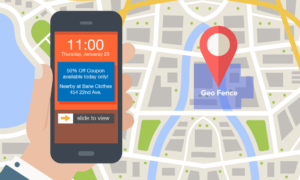
What is Geofencing? Geofencing marketing is location-based ads where a user’s location is recorded via the internet, and advertisements are only shown to people in
Read More »
Local SEO 2026

Local SEO Playbook

The 2026 Local SEO Playbook for SMBs For small and medium-sized businesses (SMBs), being visible in local search results has always been essential to attracting

Read More »
SEO in 2026

SEO in 2026

SEO in 2026 – The 5 SEO Questions Every Business Owner Is Asking If you are still doing SEO the way you did in 2023,

Read More »

5 TikTok Tactics to Dominate the Holiday Season

TikTok Tactics Holiday Playbook

5 TikTok Tactics to Dominate the Holiday Season

As the holiday season approaches, small and medium-sized businesses (SMBs) have a golden opportunity to capitalize on TikTok’s growing marketplace. With its explosive growth and unparalleled engagement rates, TikTok has become a social media powerhouse for holiday shopping inspiration and sales. Let’s unwrap five game-changing TikTok tactics to help you sleigh the competition and boost your bottom line this holiday season.

1. Start Your Holiday Campaign Early 🎃

Did you know that 68% of TikTok users begin their holiday shopping weeks before the festivities kick-off? Even more surprising, 87% treat themselves to gifts during this period. To capture this eager audience, launch your campaign as early as Halloween. Use trending hashtags like #BlackFriday, #ChristmasShopping, and #CyberMonday to increase visibility. Plan your strategy in July or August to stay ahead of the curve and maximize your reach.
TikTok Tactics Holiday Playbook

2. Craft Scroll-Stopping Content 🎥

In TikTok’s fast-paced world, you have seconds to grab attention. Here’s how to make your content shine: Hook viewers in the first 3-5 seconds with eye-catching visuals or intriguing questions. Showcase your products through creative storytelling and demonstrations. Close with a compelling call-to-action (CTA) to drive engagement and sales.

Example: “Watch how our eco-friendly wrapping paper transforms gift-giving! 🎁✨ #SustainableHolidays”

3. Extend Your Campaign into Q5 🗓️

The shopping frenzy doesn’t end on December 25th. A whopping 51% of TikTok users continue their spree into the new year. Capitalize on this trend by retargeting your audience with post-holiday promotions. Create content around New Year’s resolutions and fresh starts to keep your brand relevant. Offer exclusive deals for loyal holiday shoppers to encourage repeat business.

TikTok Tactics: Design a “New Year, New You” campaign featuring your products as solutions to common resolutions.

4. Leverage TikTok's Ad Arsenal 🎯

TikTok offers a suite of advertising tools tailored for SMBs. Use Spark Ads to boost organic content for 134% higher completion rates. Transform existing assets into cost-effective promotions with Image Ads. Connect your product catalog directly to users through TikTok Shop Ads for a seamless shopping experience.

TikTok Tactics: Participate in TikTok’s Creative Challenge for SMBs to collaborate with creators and produce high-quality content on a budget.

5. Harness the Power of Data 📊

Make informed decisions using TikTok’s analytical tools. Implement the TikTok Pixel to track conversions and optimize ad performance. Use Audience Insights to understand your target demographic and tailor your content accordingly. Apply value-based optimization to maximize ROI on your ad spend.

TikTok Tactics: Create lookalike audiences based on your best customers to expand your reach efficiently.

Your TikTok Holiday Playbook

By implementing these five TikTok tactics, your SMB can transform TikTok into a powerful social media sales channel this holiday season. Remember, success on TikTok comes from authenticity, creativity, and strategic planning. Start crafting your holiday campaign today, and watch your business unwrap new levels of growth and engagement.
Are you ready to make your SMB the star of TikTok this holiday season? Contact us today and let’s spark a conversation about holiday marketing success! 🎄🚀

Expand Your Social Media Expertise with Our Featured Guides

Below are deep dives that expand on each core pillar of our framework. Each link will open in a new tab, allowing you to explore these topics in detail:

Platform Guides

  • LinkedIn Branding Guide: Tactics to sharpen positioning and improve visibility on the top B2B network.
  • LinkedIn Algorithm Update: What the latest feed changes mean for reach and engagement.

Social Media Expertise

  • Social Media Distribution for B2B: Turning social platforms into reliable distribution engines.
  • How Many Platforms Do You Need?: Finding the sweet spot between focus and reach.
  • Content Amplification in Four Steps: Extend the shelf life and reach of every asset you publish.

Social Media Strategies:  10 powerful social media strategies to boost engagement, grow your brand, and stay ahead in 2025.
https://www.braveheartdigitalmarketing.com/blog-post/social-media-strategies/

Recent Posts

GEO FAQs

GEO FAQ

GEO FAQs: Your Advanced Guide to Generative Engine Optimization In our previous post, Generative Engine Optimization FAQs, we explored the fundamentals of GEO and introduced

Read More »

Social Video Marketing Strategy

Social Video Marketing Strategy

Social Video Marketing Strategy

In 2025, social video isn’t just part of your marketing mix, it is the marketing mix. Social media platforms like TikTok, YouTube Shorts, and Instagram Reels have redefined what it means to reach an audience. The prime-time audience that once gathered around TV screens now scrolls vertically through social feeds, consuming short, fast-moving, creator-driven content.

For brands, this shift demands a new approach: a social video marketing strategy designed for speed, authenticity, and continuous engagement. According to Deloitte’s 2025 Digital Media Trends report social video now rivals traditional streaming for attention and ad spend. The brands winning today aren’t those producing the biggest campaigns, they’re the ones mastering social storytelling at scale.
Here’s why the shift is non-negotiable and the five tactical strategies you must adopt to thrive in this new, social-first media landscape.

The New Center of Gravity: Relevance and Relationship

The Deloitte report makes it clear: the competition isn’t between Disney and Netflix; it’s between premium Subscription Video on Demand (SVOD) and the “hyperscale and hyper-capitalized” social video platforms. This isn’t just about eyeballs; it’s about authenticity and connection.

  • Relevance Wins: A majority of Gen Z and Millennials surveyed report that social media content is more relevant to them than traditional TV shows and movies. Furthermore, they say they get better recommendations for content from social media than from their dedicated streaming services.
  • Creators Are the New Stars: The survey reveals that roughly 50% of younger generations feel a stronger personal connection to social media creators than they do with traditional TV personalities or actors. These creators are establishing the new cultural vernacular and forming powerful parasocial relationships that drive engagement.

Social platforms have become the nexus of discovery, awareness, and hype for all content, from UGC to feature films. If social is where the audience is, you have to program it like prime time.

Social Video Marketing Strategy

Social Video Marketing Strategy: Program social like prime time

The shift from linear TV to fragmented streaming was a challenge; the shift to social video is a revolution. Brands and content creators need to adopt a social-first operating model to compete for consumer attention and advertising spend.

1. Think in Franchises

Stop funding one-off campaigns and content experiments. Audiences crave consistency and depth.
  • Action: Fund recurring shows, not one-offs.
  • The Why: A successful social franchise—a weekly series, a recurring format, a continuous storyline—allows your brand to build habitual viewing and a dedicated community, mirroring the success of premium streaming franchises but on a shorter, higher-velocity loop.

Build a Creator Bench

Creators are the new gatekeepers of attention, offering a level of authenticity that traditional ads can’t match.
  • Action: Source, brief, and clear rights with creators at the start, treating them as extensions of your marketing and content team.
  • The Why: Brands are recognizing that creators offer more credibility and authenticity. By establishing a strong bench, you gain reliable, high-trust partners who can communicate your message to their highly engaged niche communities with an immediacy that studios cannot replicate.

Program for Many Formats

The same story needs to be told in drastically different containers across different platforms.
  • Action: Plan your core story for Shorts, Reels, and TikTok first, then create cutdowns or expanded versions for CTV and YouTube.
  • The Why: You can no longer simply chop up a TV spot for social. Content must be natively designed for vertical, short-form viewing. This ‘social-first’ approach acknowledges that these platforms are the primary touchpoint and discovery engine for your audience.

Measure What Matters

Legacy ad metrics like impressions and reach are insufficient in a world where attention is the true commodity.
  • Action: Track completion rate, shares, saves, and assisted conversions.
  • The Why: These metrics reflect deep engagement, personal endorsement, and commercial intent, all of which are essential signals on algorithm-driven platforms. A “share” or a “save” indicates cultural resonance and a higher likelihood of future recall than a fleeting view.

Distribute Like a Network

Publishing content is no longer enough; you must treat your social channels as a sophisticated distribution network.

  • Action: Cross-post, stagger releases to maximize daily attention, continuously A/B test thumbnails and hooks, and retire fatigued creatives fast.
  • The Why: Social platforms reward active, sophisticated distribution. The algorithm is your new broadcast schedule. Leveraging data and adopting a test-and-learn mentality is the only way to ensure your content breaks through the noise and is delivered to the right audience at the right time.
Traditional media companies are still spending heavily on premium content and direct-to-consumer services, but they are competing for a limited pool of attention and budget. The companies winning today—the hyperscale social platforms—have invested in data-driven personalization and ad tech that provides seamless content and targeting.
For companies, the message is simple: Adopt technology quickly, embrace the creator model, and think socially.
If studios and streamers are asking, “How do we compete with each other?” the audience is already answering, “What’s TV?”
The center of the entertainment economy has shifted. Your strategy must shift with it.

Further Reading

Recent Posts

AI marketing team

AI marketing team

How AI Transforms Modern Marketing Teams Every business wants a larger, more capable marketing team, but the reality is that budgets rarely match ambitions. Hiring

Read More »
AEO FAQs

AEO FAQs

AEO FAQs: Your Practical Playbook In Part 1, we covered the strategic foundations of Answer Engine Optimization. Now that you understand its importance, it’s time

Read More »

Social Media Framework

Social Media Framework

Social Media Framework

Social media is a dynamic and ever-evolving landscape. Algorithms shift, new platforms emerge, and audience behaviors transform with every update. Without a structured approach, brands often find themselves merely chasing fleeting trends rather than achieving tangible results. The Braveheart Digital Marketing Social Media Framework provides a clear, actionable roadmap to plan, execute, and optimize your social campaigns, ensuring your brand remains visible, engaging, and profitable in the digital realm.

The Core Pillars of Social Media Success

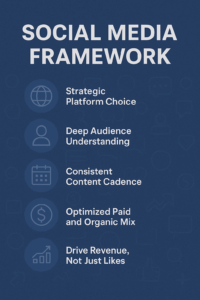
Our framework is built upon five interconnected pillars, each crucial for developing a robust and effective social media strategy:

1. Strategic Platform Choice

The first and most critical step is to strategically choose the social networks where your target buyers already spend their time. This isn’t about being everywhere; it’s about being effective where it truly matters. Before committing valuable resources, thoroughly evaluate each platform’s audience demographics, preferred content formats, and available paid features. Remember, a focused presence on fewer platforms, managed exceptionally well, almost always outperforms a scattered and diluted effort.
Dive Deeper: For more insights on optimizing your platform choices, explore our guide: How Many Platforms Do You Need? Finding the sweet spot between focus and reach

2. Deep Audience Understanding

Beyond creating basic personas, truly understanding your audience means delving into their world. Map out their key problems, the language they use, and their specific content preferences. Leverage powerful tools like social listening to monitor conversations and gain real-time insights. Combine this with first-party data to continuously refine and keep your audience profiles up-to-date. The more intimately you understand your audience, the more effectively you can tailor your content and engagement strategies.
Social Media Framework

3. Consistent Content Cadence:

Consistency is paramount in capturing and maintaining audience attention. Develop a comprehensive content calendar that strategically blends various content types:
  • Thought Leadership: Establish your brand as an industry authority.
  • Product Education: Inform and educate your audience about your offerings.
  • Community Stories: Share authentic narratives that resonate with your audience and build connection.

Quick Engagement Prompts: Encourage immediate interaction and foster a sense of community.

Actively test different posting times to identify when your audience is most active and receptive. Once you identify optimal times, establish a sustainable rhythm that your team can consistently maintain.

4. Optimized Paid and Organic Mix

An effective social media strategy seamlessly integrates both organic and paid efforts. While organic reach builds crucial credibility and authentic connections, paid advertisements provide the necessary scale to expand your reach significantly.
  • Strategic Balance: Maintain a balance between always-on awareness campaigns and short, targeted bursts that support specific initiatives like product launches, events, or retargeting efforts.

  • Measure Impact: Crucially, track the uplift in organic metrics after every paid campaign flight to understand the synergistic effect of your combined efforts.

Boost Smart, Not Always: Should you boost every post? No. Focus on boosting content that is already performing well organically to extend its shelf life and maintain a low cost per result.

5. Drive Revenue, Not Just Likes

Ultimately, your social media metrics must directly tie back to revenue and business objectives. Monitor key performance indicators such as reach, engagement, clicks, and assisted conversions. Implement a routine of weekly performance reviews to analyze data, adjust your creative assets and targeting strategies, and meticulously document lessons learned to inform your next campaign sprint. This iterative process of continuous improvement is what drives sustainable growth.
  • Realistic ROI: While consistency is key, expect to see noticeable traction within 90 days if you are publishing consistently and optimizing each cycle.
  • Engagement Benchmarks: Aim for an engagement rate of 2-5% on LinkedIn and 5-7% on Instagram. Track not only reactions but also meaningful comments to gauge true engagement.

B2B LinkedIn Frequency: For B2B companies on LinkedIn, steady growth is often observed with three quality posts per week. Results tend to diminish if frequency exceeds daily posts without providing additional value.

Expand Your Social Media Expertise with Our Featured Guides

Below are deep dives that expand on each core pillar of our framework. Each link will open in a new tab, allowing you to explore these topics in detail:

Platform Guides

  • LinkedIn Branding Guide: Tactics to sharpen positioning and improve visibility on the top B2B network.
  • LinkedIn Algorithm Update: What the latest feed changes mean for reach and engagement.

Social Media Expertise

  • Social Media Distribution for B2B: Turning social platforms into reliable distribution engines.
  • How Many Platforms Do You Need?: Finding the sweet spot between focus and reach.
  • Content Amplification in Four Steps: Extend the shelf life and reach of every asset you publish.

Social Media Strategies:  10 powerful social media strategies to boost engagement, grow your brand, and stay ahead in 2025.
https://www.braveheartdigitalmarketing.com/blog-post/social-media-strategies/

Ready to Amplify Your Brand?

Take the next step towards social media mastery. Schedule a free social audit call with Braveheart Digital Marketing today. We will review your current channels, identify quick wins for immediate impact, and map out a strategic plan for the next 90 days of accelerated growth.

Frequently Asked Questions

How often should a B2B company post on LinkedIn?

Most see steady growth at three quality posts per week. Results drop when frequency exceeds daily posts without added value.

What is a good engagement rate?

Aim for 2–5% on LinkedIn and 5–7% on Instagram. Track both reactions and meaningful comments.

Should we boost every post?

No. Boost content that already performs well to stretch its shelf life and keep your cost per result low.

How long does it take to see ROI?

Expect noticeable traction within 90 days if you publish consistently and optimise each cycle.

Further Reading from Braveheart Digital Marketing

  • AI Marketing Hub: Discover how artificial intelligence amplifies every stage of the buyer journey.
  • PPC Playbook: Build campaigns that convert clicks into revenue.

SEO Fundamentals Library: Strengthen the foundation that supports all other channels.

Social Media Trends

Social Media Trends

Top Social Media Trends in 2025

The social media landscape in 2025 is a whirlwind of innovation, shifting user behaviors, and the ever-growing influence of technology. For businesses and individuals alike, understanding these key trends is crucial to staying relevant and connected.

1. Short-Form Video Reigns Supreme

If you haven’t embraced short-form video, now’s the time. Platforms like TikTok, Instagram Reels, and YouTube Shorts continue their meteoric rise, dominating user attention with their digestible and engaging content. This format caters to shrinking attention spans, delivering quick bursts of entertainment and information.
  • By 2025, short-form video content is projected to claim a staggering 90% share of internet traffic. This highlights a significant shift in online media consumption habits towards shorter, more digestible content. (Source: Vidico)
  • YouTube Shorts alone generates approximately 70 billion views per day worldwide. (Source: Zebracat AI)
  • Posts with videos on Instagram get 49% more engagement than photo posts. (Source: SocialPilot)

For brands, this means prioritizing dynamic, immersive video content that captures attention quickly and delivers value.

2. The AI Revolution is Here

Artificial intelligence is no longer a futuristic concept; it’s deeply embedded in social media, reshaping how content is created, consumed, and even how businesses interact with their audiences.
  • Over 80% of social media content recommendations are powered by AI, significantly improving user retention rates. (Source: Artsmart.ai)
  • 71% of social media images are now AI-generated, showcasing the rapid adoption of AI image-generation tools. (Source: Artsmart.ai)
  • Businesses using AI for social media content generation report a 15-25% increase in engagement rates. (Source: Artsmart.ai)
From generating engaging captions and suggesting trending hashtags to powering personalized content feeds and improving customer service through chatbots, AI is streamlining operations and enhancing the user experience. Marketers are leveraging AI for everything from content optimization (51%) to brainstorming ideas (45%) and automating repetitive tasks (43%). (Source: Digital Marketing Institute)

3. Authenticity and User-Generated Content (UGC) Take Center Stage

In an increasingly saturated digital world, authenticity cuts through the noise. Consumers are craving genuine connections and real experiences over overly polished, commercialized content. This is where User-Generated Content (UGC) shines.

  • 90% of consumers say that UGC significantly influences their purchasing decisions. (Source: QR Tiger)
  • Consumers view UGC as 9.8 times more authentic than content created by influencers. (Source: QR Tiger)
  • Brands incorporating UGC into their marketing strategies experience a 29% increase in web conversion rates. (Source: QR Tiger)
Brands are actively encouraging and leveraging UGC and employee-generated content (EGC) to build trust, foster community, and create relatable narratives that resonate deeply with their audience.

4. Social Commerce Continues its Explosive Growth

The line between social media and e-commerce is blurring, with platforms evolving into seamless shopping destinations. Social commerce is transforming how consumers discover and purchase products.
  • The U.S. social commerce market is projected to reach US$114.70 billion by 2025, growing at an annual rate of 14.4%. (Source: GlobeNewswire)
  • Globally, the social commerce market is expected to reach US$924.47 billion in 2025. (Source: ResearchAndMarkets.com)

59% of global consumers have made purchases on social media, with 50% using social media to discover products. (Source: Blogging Wizard)

Features like in-app shopping, shoppable posts, and live shopping events on platforms like TikTok Shop and Instagram are making the buying journey more convenient and integrated than ever before.

5. Social Media as a Primary Search Engine

Forget just Google – a significant portion of the population, especially younger generations, are turning to social media platforms as their go-to search engines. Whether it’s finding local businesses, product reviews, or DIY tutorials, platforms like TikTok and Instagram are becoming primary discovery tools.

  • Nearly 46% of Gen Z and 35% of millennials now use platforms like TikTok, Instagram, and YouTube instead of traditional search engines when looking for1 information. (Source: Woman Around Town)
  • Across the board, approximately 24% of people globally now use social media as their main way of searching. (Source: Woman Around Town)
  • 40% of Gen Zs prefer TikTok over Google for search topics such as hair, makeup, and gift ideas. (Source: WebFX)
This shift emphasizes the critical need for brands to optimize their content for social search, including relevant keywords, clear descriptions, and engaging visuals to ensure discoverability.

Social media in 2025 is a vibrant and ever-evolving ecosystem. By embracing short-form video, leveraging the power of AI, prioritizing authenticity and user-generated content, optimizing for social commerce and search, and fostering niche communities, businesses can not only keep pace with these trends but thrive in the dynamic digital landscape.

Further Reading

Recent Posts

generative AI framework

Generative AI Roadmap

Unlock Your AI Potential: A Practical Roadmap for Small Businesses The world of Artificial Intelligence is evolving at a breathtaking pace, and for small businesses,

Read More »
scaling ai use cases

Scaling AI Use Cases

Scaling AI Use Cases: Playbook for Business Growth You’ve successfully piloted an AI solution, measured its ROI, and perhaps even operationalized it. That’s a huge

Read More »
AI ROI Measurement

AI ROI Measurement

AI ROI Measurement You’ve launched an AI pilot, your team is getting familiar with the tools, and you’re seeing some promising early signs. But when

Read More »

Definitive Guide To Building Your Brand Presence on LinkedIn

LinkedIn 2025 Guide

Updated 2025 LinkedIn Branding Guide:

LinkedIn has grown to +950 million members and now drives more than 40% of B2B website traffic from social. Industry benchmarks put the average LinkedIn engagement rate for agencies at 3.7% per post in 2025. To outrank competitors (and Bing’s AI answers) you need more than a polished profile—you need a 2025-ready presence engineered for LinkedIn’s algorithm, audience expectations, and fast-rising formats like vertical video.
This guide outlines nine data-backed strategies to optimize your LinkedIn branding, improve visibility, and generate measurable business impact.

Optimize Your LinkedIn Company Page

Begin by claiming a branded custom URL for your Company Page, such as linkedin.com/company/braveheartdigitalmarketing, to ensure brand consistency and enhance discoverability. Use a high-resolution logo sized at 400 × 400 pixels and a visually compelling cover image that reinforces your positioning.
Your About section should be vision-driven and keyword-optimized. Focus on including critical search terms for your business within the first 156 characters to improve internal LinkedIn SEO. This section sets the tone for your brand and should clearly communicate your value proposition.

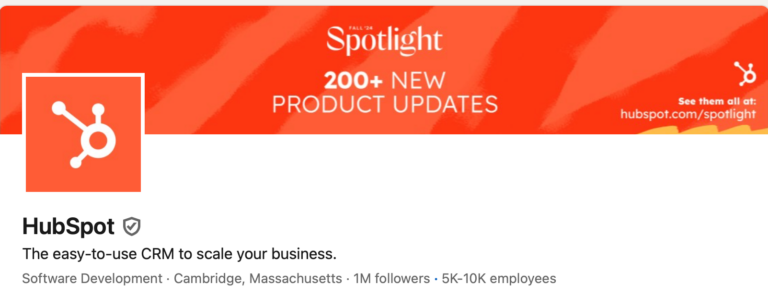
Example: HubSpot’s LinkedIn profile stands out with its engaging descriptions, dynamic visuals, and consistent posting schedule that aligns with its brand values.

Align With the 2025 LinkedIn Algorithm

LinkedIn’s latest algorithm updates prioritize dwell time and topic authority. To align with this, structure each post to open with a compelling hook that encourages users to click “See more.” Keep paragraphs short and adopt a conversational tone that enhances readability and engagement. The goal is to hold attention and demonstrate expertise in your chosen topics.

Lead With Video

Video continues to outperform other formats on LinkedIn. In 2025, vertical video has proven to be especially effective—generating 135% more reach than landscape formats.
Create short, vertical videos between 30 and 60 seconds in length. Focus each video on delivering one actionable insight. Be sure to include captions to increase accessibility and engagement, and place your call to action in the first comment to guide next steps and boost interaction.

Example: Accenture’s polished yet accessible videos showcase thought leadership in technology and consulting, setting a benchmark for effective video content.

Foster Two-Way Engagement

LinkedIn’s algorithm rewards conversations. To capitalize on this, end your posts with open-ended questions that invite responses. Tag relevant professionals to encourage participation and ensure you’re actively replying to comments—especially within the first hour of publishing. This kind of engagement not only builds community but also increases visibility in users’ feeds.

Example: Hootsuite facilitates discussions about social media strategies through LinkedIn Groups, providing value while subtly promoting their tools and expertise.

Use Hashtags and Keywords Strategically

Hashtag use should be strategic and limited to three to five per post. Blend broad, high-volume hashtags like #Marketing with more niche-specific tags such as #AIforSMBs to reach both general and targeted audiences. Place your primary keywords—such as “LinkedIn branding” and “B2B social strategy”—within the first 60 characters of your post to ensure they’re indexed and prioritized in LinkedIn’s search and discovery features.

Establish an Effective Posting Cadence

Consistency is key to success on LinkedIn. In 2025, the recommended cadence is three to four high-value posts per week. Optimal posting times fall between Tuesday and Thursday, from 8 a.m. to noon local time, when user activity tends to peak. Focus on delivering value with every post, rather than just meeting a quota, to avoid content fatigue and maintain engagement quality.

Monitor Performance and Iterate

Performance should be monitored closely through LinkedIn Analytics. Key metrics to track include impressions, click-through rates, average dwell time, and share ratio. Identify which post formats and topics are performing at double your average engagement, and replicate those patterns in future content. Iteration informed by data is the key to long-term success.
Example: Deloitte consistently tracks and analyzes their performance, leveraging data-driven insights to optimize their content and campaigns for maximum impact.

Attribute Real ROI to LinkedIn Branding Efforts

To measure true ROI, use UTM parameters in your links and integrate tracking systems such as Braveheart’s AI Search Visibility Tracker. This allows you to attribute leads and traffic back to LinkedIn activities with precision. If revenue attribution is new to your organization, start by tracking assisted conversions and influenced pipeline as a first step toward understanding LinkedIn’s impact on sales outcomes.

Frequently Asked Questions

How often should brands post on LinkedIn in 2025?
Brands should aim to publish three to four high-value posts each week. This frequency strikes the right balance between visibility and content fatigue, ensuring consistent audience engagement

What is the best length for LinkedIn vertical video content?
The ideal duration for vertical video content on LinkedIn is between 30 and 60 seconds. This length has been shown to maximize completion rates and dwell time, both of which positively influence algorithmic ranking.

What are the key metrics for LinkedIn brand growth?
The most important metrics to track include engagement rate, average dwell time, follower growth, and the influence of LinkedIn content on your sales pipeline. These indicators collectively measure both reach and business impact.

By implementing these strategies, businesses can effectively position themselves as thought leaders, build professional connections, and drive meaningful engagement on LinkedIn.
If you need help amplifying your website content via social media, contact Braveheart Digital Marketing. We’re a social media agency in Manchester NH that can help you reach your target audience and achieve your marketing goals. Contact us today to learn more!

Expand Your Social Media Expertise with Our Featured Guides

Below are deep dives that expand on each core pillar of our framework. Each link will open in a new tab, allowing you to explore these topics in detail:

Platform Guides

  • LinkedIn Branding Guide: Tactics to sharpen positioning and improve visibility on the top B2B network.
  • LinkedIn Algorithm Update: What the latest feed changes mean for reach and engagement.

Social Media Expertise

  • Social Media Distribution for B2B: Turning social platforms into reliable distribution engines.
  • How Many Platforms Do You Need?: Finding the sweet spot between focus and reach.
  • Content Amplification in Four Steps: Extend the shelf life and reach of every asset you publish.

Social Media Strategies:  10 powerful social media strategies to boost engagement, grow your brand, and stay ahead in 2025.
https://www.braveheartdigitalmarketing.com/blog-post/social-media-strategies/

Recent Posts

ai pilot program

AI Pilot Program

AI Pilot Program The allure of AI is undeniable. Companies everywhere are eager to harness its power, but far too often, their AI pilot programs

Read More »
Social Media Framework

Social Media Framework

Social Media Framework Social media is a dynamic and ever-evolving landscape. Algorithms shift, new platforms emerge, and audience behaviors transform with every update. Without a

Read More »
Social Media Trends

Social Media Trends

Top Social Media Trends in 2025 The social media landscape in 2025 is a whirlwind of innovation, shifting user behaviors, and the ever-growing influence of

Read More »

Definitive Guide To Building Your Brand Presence on Twitter

X (formerly Twitter)

Updated Best Practices for Building a Brand Presence on X (2025)

X (formerly Twitter) continues to be a powerful platform for real-time conversations, customer engagement, and thought leadership. With its fast-paced and conversational nature, businesses can use X to foster direct connections, showcase expertise, and amplify their voice. Below is a guide to maximizing your presence on X in 2025, with examples of brands excelling on the platform.

US X User Demographics (2025)

Understanding X’s audience is key to developing an effective strategy. As of 2025, X has over 100 million active users in the United States. Key demographics include:

Age Groups: Users aged 18-34 make up the largest segment, with significant engagement from professionals aged 35-49.

Gender: The platform has a fairly balanced gender split, with a slight male majority.

Interests: Popular topics include technology, entertainment, sports, and politics, making X a hub for real-time updates and discussions.
Engagement: X users are highly interactive, often engaging with trending topics, live events, and breaking news.

Optimize Your Profile for Success

A fully optimized profile is the foundation of a strong presence on X. Use a clear, recognizable profile picture—typically your logo—and craft a compelling bio that captures your mission and value proposition in 160 characters or less. Include a website link and strategic keywords to improve discoverability and drive traffic.

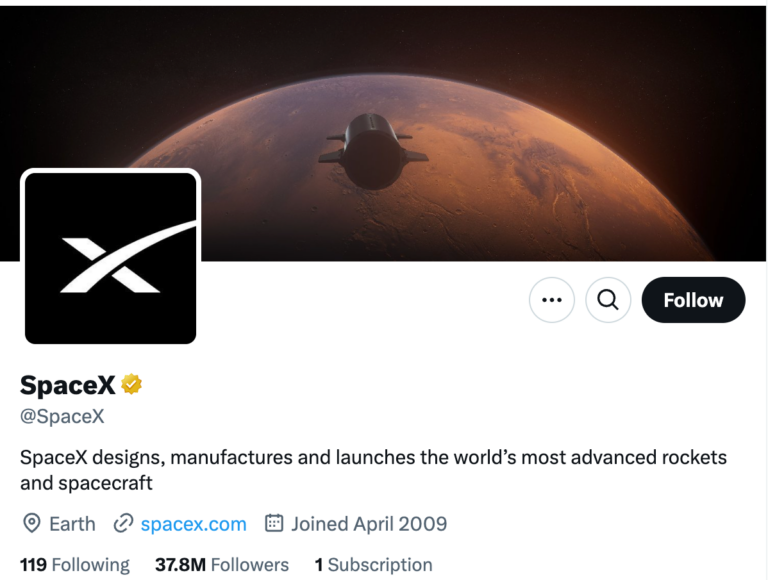
Example: SpaceX’s profile is both informative and reflective of their innovative brand, attracting millions of engaged followers with concise updates and impactful visuals.

Develop a Content Strategy Focused on Brevity and Relevance

Craft concise, impactful posts that spark conversations. A mix of content, including industry insights, updates, and questions, encourages interaction and maintains variety. Timing is crucial, so align posts with trending topics or peak engagement times.

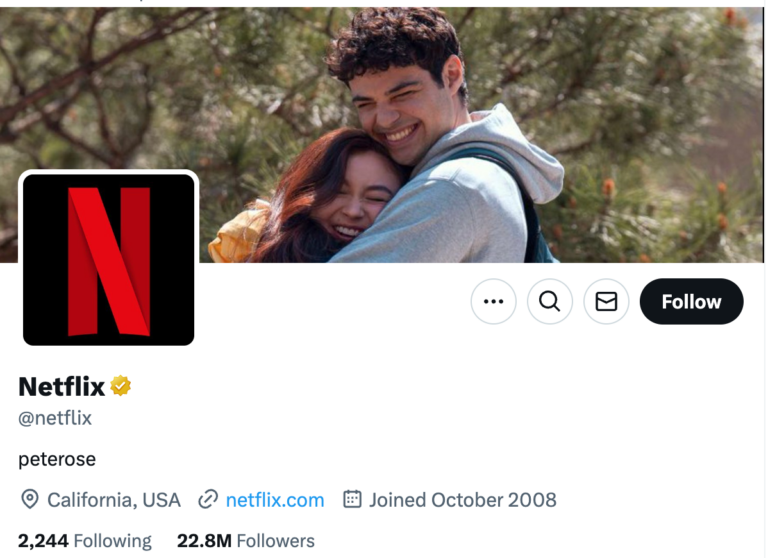
Example: Netflix combines witty commentary and timely pop culture references to engage their audience and humanize their brand, consistently driving high engagement.

Leverage Multimedia for Maximum Engagement

Multimedia content, such as images, GIFs, and short videos, enhances engagement by standing out in the fast-moving X feed. Use visuals to complement your message and increase click-through rates.

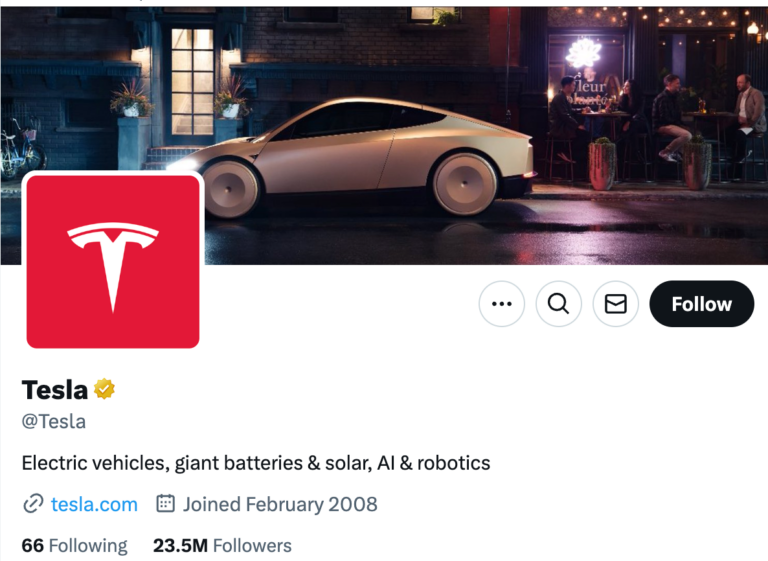
Example: Tesla frequently shares high-quality visuals to showcase new vehicles and product updates, leveraging X’s multimedia capabilities to grab attention and generate excitement.

Engage in Real-Time Interaction

One of X’s most valuable features is real-time interaction. Respond to questions, retweet user-generated content, and participate in trending conversations to foster loyalty and show approachability.

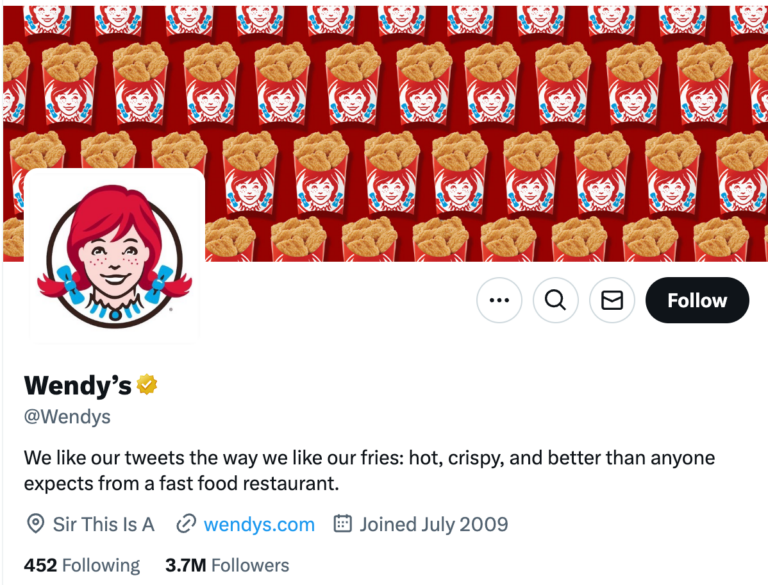
Example: Wendy’s excels in real-time engagement, known for its humorous and timely interactions that often go viral and reinforce their brand’s personality.

Establish Thought Leadership

Position your brand as an authority by sharing valuable insights, commenting on industry trends, and engaging in meaningful discussions. Consistency is key to building credibility.

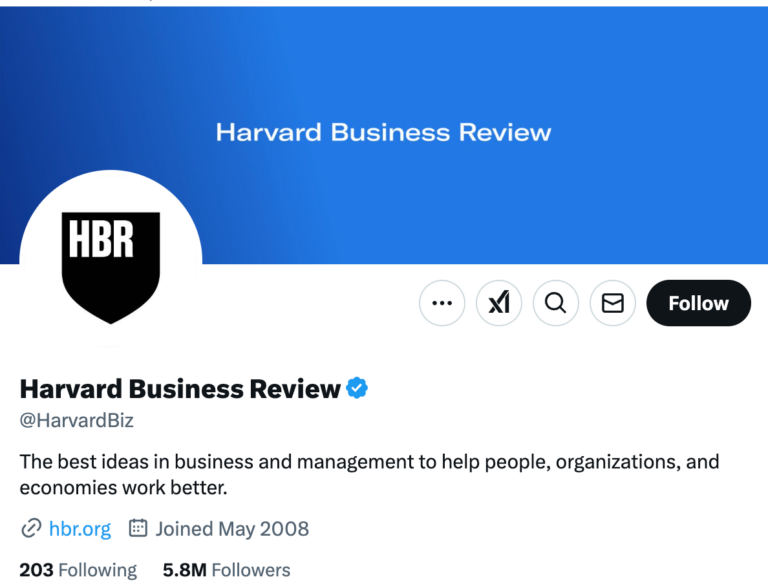
Example: Harvard Business Review regularly shares research, articles, and data-driven insights, cementing its reputation as a trusted voice on X.

Maximize Advertising Opportunities

X’s advertising tools, including promoted tweets, accounts, and trends, enable precise audience targeting based on demographics, interests, and behaviors. Leverage these tools to increase visibility and drive traffic.

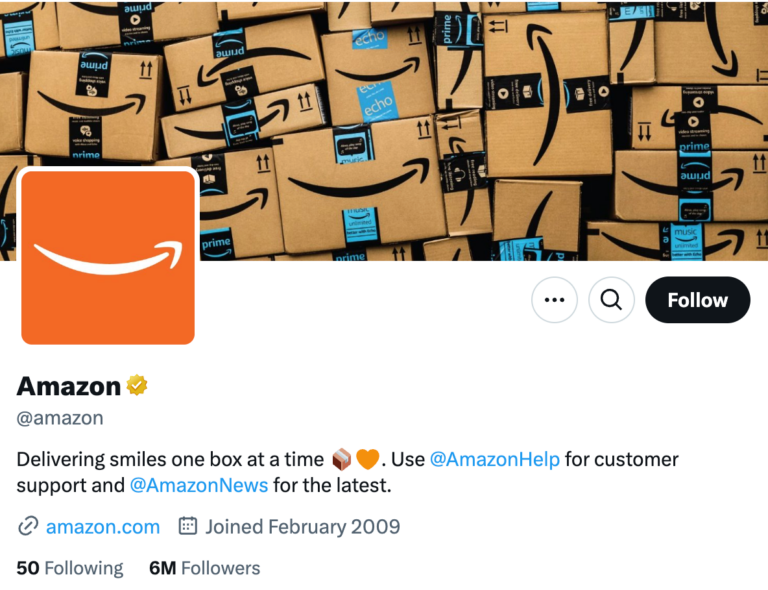
Example: Amazon uses promoted tweets effectively to highlight deals and new product launches, driving traffic and conversions directly from the platform.

Monitor Metrics and Refine Strategy

Analyze performance metrics such as impressions, engagement rates, and click-through rates to identify what resonates with your audience. Adjust your tone, content, and posting schedule based on these insights.

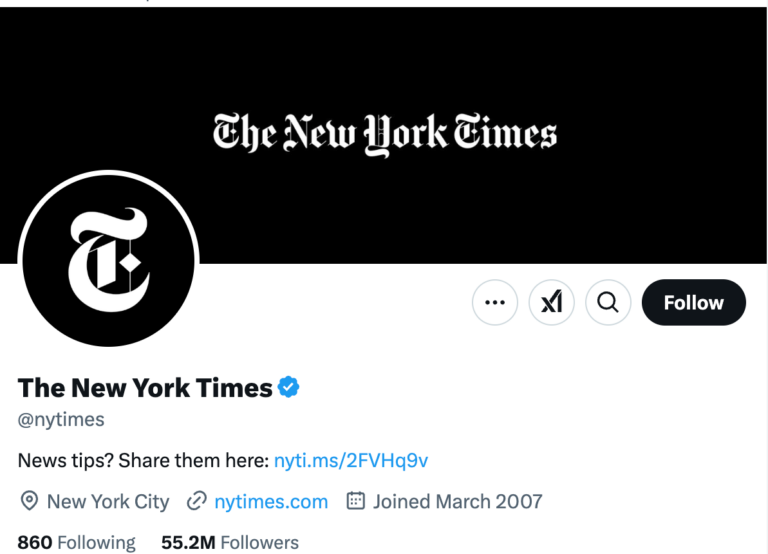
Example: The New York Times regularly tracks performance to ensure their news and commentary remain relevant and engaging for their audience.

By adopting these strategies, businesses can effectively navigate X’s dynamic environment, connect with their audience in real-time, and strengthen their brand presence in 2025. If you need expert guidance or support in creating or implementing a successful strategy on X, Braveheart Digital Marketing is here to help. As a full-service social media agency, we specialize in tailored strategies to elevate your brand’s presence and drive measurable results. Contact us today to get started!

Expand Your Social Media Expertise with Our Featured Guides

Below are deep dives that expand on each core pillar of our framework. Each link will open in a new tab, allowing you to explore these topics in detail:

Platform Guides

  • LinkedIn Branding Guide: Tactics to sharpen positioning and improve visibility on the top B2B network.
  • LinkedIn Algorithm Update: What the latest feed changes mean for reach and engagement.

Social Media Expertise

  • Social Media Distribution for B2B: Turning social platforms into reliable distribution engines.
  • How Many Platforms Do You Need?: Finding the sweet spot between focus and reach.
  • Content Amplification in Four Steps: Extend the shelf life and reach of every asset you publish.

Social Media Strategies:  10 powerful social media strategies to boost engagement, grow your brand, and stay ahead in 2025.
https://www.braveheartdigitalmarketing.com/blog-post/social-media-strategies/

Recent Posts

paid social media roas

Paid Social Media ROAS

Why Your Paid Social Media Ads Aren’t Delivering ROAS—And How to Fix It You’ve invested in paid social media advertising. You’ve committed budget, time, and

Read More »
Search Visibility

Search Visibility

How to Improve Search Visibility and Drive More Organic Traffic For many businesses, low search visibility is a persistent challenge that directly impacts their ability

Read More »

Definitive Guide To Building Your Brand Presence on Facebook

Facebook Advertising

2025 Facebook Branding Playbook

Facebook—Meta’s flagship social platform—continues to dominate the digital landscape, now serving over 3.07billion monthly active users worldwide, more than any other social network. As of 2025, short-form video has taken center stage, with Reels outperforming all other content types, averaging 0.23% engagement compared to 0.17% for standard video and just 0.08% for photos.
To win in this environment—and to stay visible in Bing’s freshness-driven indexing layer—brands need more than a refreshed profile. They need a tactical playbook designed for Facebook’s latest algorithm, engagement trends, and native formats.

Perfect Your Facebook Page Basics

Start by claiming a branded @username that matches your company’s name to improve your visibility in Facebook search. Next, upload a square profile image—at least 320×320 pixels—and a compelling cover photo sized at 1284×722 pixels that visually reinforces your brand identity. Your About section is a high-visibility field, but only the first 255 characters are immediately shown. Use that space wisely by front-loading it with SEO-friendly keywords to improve internal search performance and clarify your positioning.

Tune Into the 2025 Algorithm

In 2025, Meta’s algorithm rewards content based on originality, creator-viewer relationship strength, and dwell time. Reels continue to receive bonus distribution, making them a priority format. To take advantage of these preferences, start each post with a strong hook in the first two lines to stop the scroll. Use short, punchy paragraphs for readability and always embed native videos rather than linking to external sources, which tend to suppress organic reach.

Go All-In on Reels

Reels are now one of the most effective tools for expanding your reach on Facebook, as they are shown not only to your followers but also to new, non-following users. The most effective Reels are short—between 15 and 30 seconds—and focus on providing a quick tutorial or actionable tip. Use a 9:16 vertical format and include captions to ensure accessibility. Branded title cards should appear within the first three seconds to build recognition. To guide conversions, pin a comment underneath the Reel that includes a call to action such as “Learn more,” along with a UTM-tagged link to track performance.
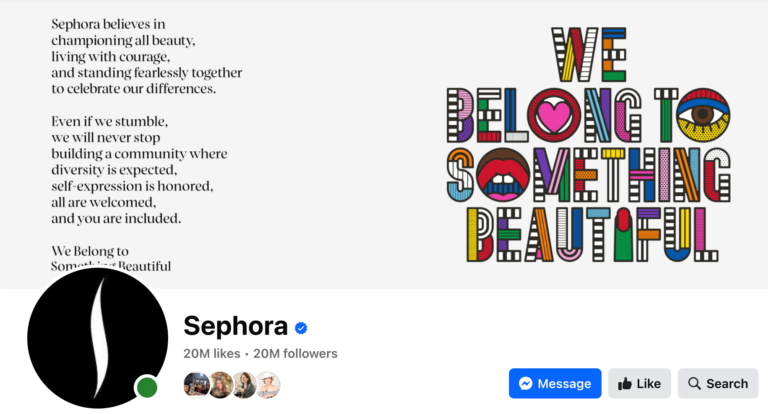
Example: Sephora leverages Reels and Live sessions to share makeup tutorials and product launches, fostering a loyal community.

Diversify With Carousel Images and Link Posts

Although Reels are essential, variety is key to maintaining audience engagement. Carousel image sets now generate the second-highest engagement after Reels, especially on mobile. Alternate between Reels, carousels, and link posts to keep your content mix fresh and to cater to different user behaviors across devices. This approach ensures broader visibility and avoids content fatigue.

Leverage Groups and Live Rooms

Facebook Groups are an underutilized but powerful tool for building community and extending brand reach. When your business actively participates in or hosts a Group centered around your industry niche, the algorithm surfaces your posts more frequently within that community. Live Rooms, likewise, create opportunities for deeper engagement and allow real-time interaction with your audience, reinforcing your brand’s presence and authority.

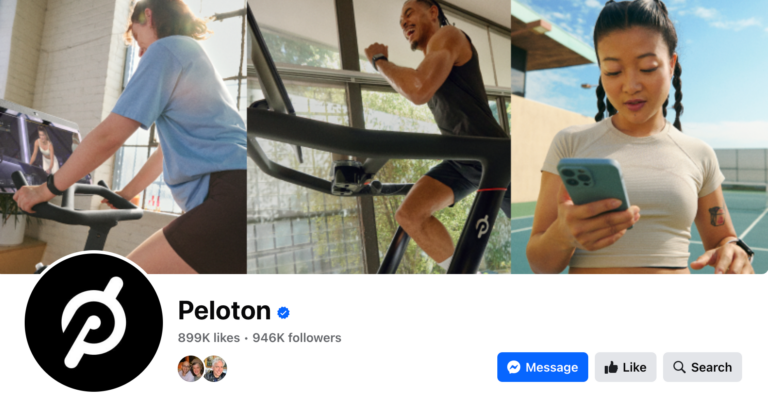
Example: Peloton’s inclusive and active Facebook Group for riders has become a hub for engagement, reinforcing brand loyalty.

Use Strategic Keywords and Hashtags

Hashtags have regained their discoverability power on Facebook, but restraint is important. Stick to three or four hashtags per post and place them naturally within the copy. In addition, prioritize your primary keywords—such as “Facebook branding tips”—within the first 80 characters of each caption. Doing so boosts visibility in both Facebook Feed search and broader search integrations.

Nail Your 2025 Posting Cadence

According to Sprout Social’s latest data, the most effective posting window for brand pages is between 9 and 11 a.m. local time, Monday through Friday. To maintain a sustainable presence, aim for four to five quality posts per week. A well-balanced content schedule might include two Reels, one carousel, and one link post. Reserve ad spend for content that already performs well organically to maximize ROI and maintain authenticity.

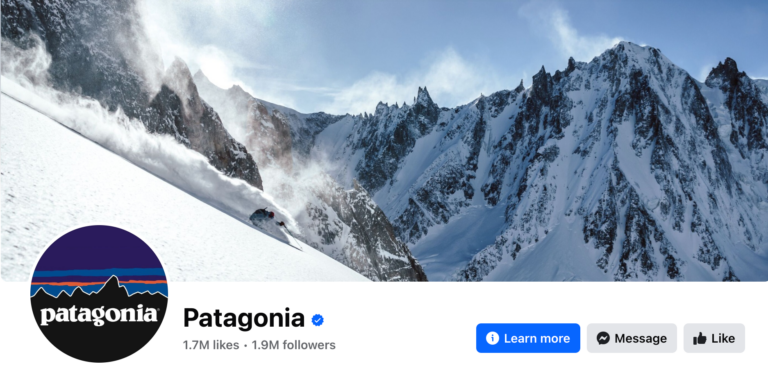
Example: Patagonia’s inspiring content about sustainability and outdoor adventures reinforces their ethos and cultivates a sense of community.

Analyze and Iterate

Inside Meta Business Suite → Insights, brands can track a variety of performance metrics. Focus on key indicators such as reach, engagement rate, average 1-minute video views, and Reels watch-through rates. Use these benchmarks to identify what’s working. Any post format that performs at or above 1.5 times your 30-day rolling average should be duplicated or repurposed, allowing you to scale success with confidence.

Measure Real ROI

To properly attribute results, attach UTM parameters to every outbound link shared on Facebook. Feed that data into your CRM to track conversions across campaigns. For brands just beginning with revenue attribution, a good starting point is to measure assisted conversions and overall pipeline influence. Over time, this will provide a clearer picture of how Facebook contributes to business outcomes.

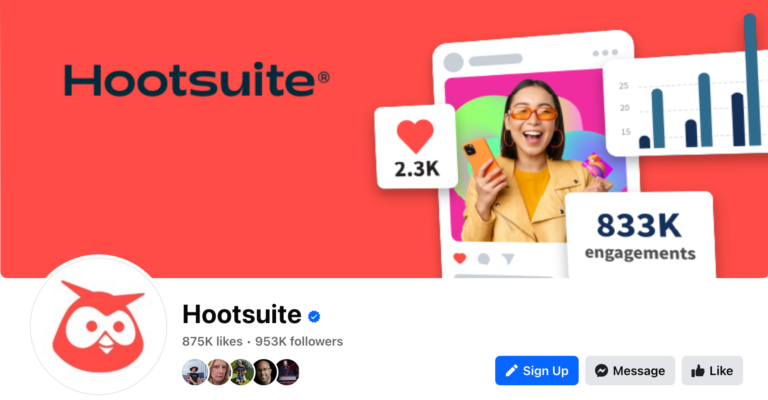
Example: Hootsuite demonstrates the power of AI-driven automation by delivering timely, relevant content and tracking performance metrics for improvement.

Frequently Asked Questions

How often should my brand post on Facebook in 2025?
For optimal engagement and audience retention, plan to publish four to five posts each week. At least two of these should be Reels, which remain the most effective format for organic reach and discovery.
What’s the ideal length for a Facebook Reel?
The sweet spot for Reels is between 15 and 30 seconds. Completion rates tend to decline significantly after the 45-second mark, so shorter is better.

Which metrics matter most for Facebook brand growth?
The most important performance indicators for brand growth on Facebook include engagement rate, Reels watch-through rate, follower growth, and revenue influenced through attributable conversions.
By adopting these strategies, businesses can fully leverage Facebook’s evolving tools to build authentic, impactful brand presences. If you need expert guidance or support in creating or implementing a successful Facebook strategy, Braveheart Digital Marketing is here to help. As a full-service social media agency, we specialize in tailored strategies to elevate your brand’s presence and drive measurable results. Contact us today to get started!

Expand Your Social Media Expertise with Our Featured Guides

Below are deep dives that expand on each core pillar of our framework. Each link will open in a new tab, allowing you to explore these topics in detail:

Platform Guides

  • LinkedIn Branding Guide: Tactics to sharpen positioning and improve visibility on the top B2B network.
  • LinkedIn Algorithm Update: What the latest feed changes mean for reach and engagement.

Social Media Expertise

  • Social Media Distribution for B2B: Turning social platforms into reliable distribution engines.
  • How Many Platforms Do You Need?: Finding the sweet spot between focus and reach.
  • Content Amplification in Four Steps: Extend the shelf life and reach of every asset you publish.

Social Media Strategies:  10 powerful social media strategies to boost engagement, grow your brand, and stay ahead in 2025.
https://www.braveheartdigitalmarketing.com/blog-post/social-media-strategies/

Recent Posts

Guide to creating killer buyer personas

Creating Killer Buyer Personas

Creating Killer Buyer Personas: The Strategic Imperative for Smart Marketing In today’s digital-first economy, understanding your customer is no longer a luxury—it’s a strategic necessity.
Read More »
2025 social media strategies

Social Media Strategies

10 Proven Social Media Strategies to Dominate in 2025 In the dynamic landscape of 2025, mastering social media requires a strategic approach tailored to evolving

Read More »
AI Agents

AI Agents

AI Agents Have Arrived: Is Your Website Ready? In the rapidly evolving world of digital marketing, a seismic shift is upon us. For months, there
Read More »