
Social Media Marketing Strategy

Social Media Agency

State of Marketing: Social Media Marketing Strategy

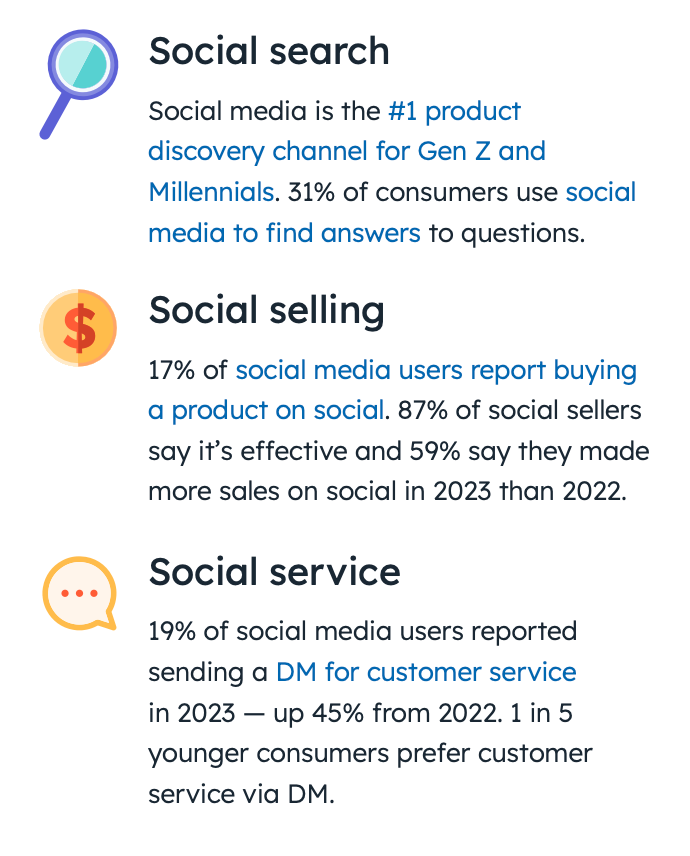
The 2024 State of Marketing is out and marketers are increasingly targeting buyers who grew up online. 

As American’s age it is not a surprise to see marketers turn their attention away from baby boomers and towards a  younger audience.

Seventy-four percent of marketers want to reach Millennials and 67% want to engage Gen X, versus only 27% of marketers interested in Baby Boomer audiences.

As digital natives grow as decision-makers, we’re seeing changes to how buyers interact with businesses online. Some of the biggest social challenges are coming up with ideas, creating engaging content that generates leads, and gaining followers.

Facebook, Instagram, YouTube, and TikTok have the strongest ROI — and these align with where marketers are investing in 2024. Twenty-seven percent of marketers who don’t use YouTube plan to start in the year ahead.

For those curious, 68% of marketers predict more success with X than Threads in 2024As .

Social Media Stats 2024

Top Social Channels for Marketing

Top Social Media Channels 2024

Braveheart Social Media Process

Successful social media marketing has matured from simply getting “likes” to acquiring new customers and increasing sales from existing ones. Four out of five marketers today view social media networks as critical distribution channels for their content.

We develop strategies that put your content on the platforms that your customers use. 

Manchester NH Social Media Agency

Welcome to Braveheart Digital Marketing, where your social media success story in Manchester, NH, begins. As a leading Manchester NH Social Media Agency, we understand the power of digital connections in today’s world. Our approach is rooted in deep market knowledge, tailored strategies, and a passion for storytelling. We’re not just about posts and likes; we’re about creating meaningful engagements and lasting impressions.


Our team, equipped with the latest tools and insights, is dedicated to elevating your brand’s online presence. Whether you’re aiming to dominate local Manchester markets or seeking wider digital horizons, we craft personalized, dynamic campaigns that resonate with your target audience. With Braveheart, experience the synergy of creativity, technology, and strategic expertise, all working together to turn your social media goals into tangible results.

Let’s embark on this journey together, making your brand a standout star in the bustling social media landscape of Manchester, NH.

If you are looking to grow your following on social media and turn those followers into customers, contact us about our social media marketing services.
Facebook
Twitter
What is geofencing?

What Is Geofencing?

What is Geofencing? Geofencing marketing is location-based ads where a user’s location is recorded via the internet, and advertisements are only shown to people in
Read More »
Local SEO 2026

Local SEO Playbook

The 2026 Local SEO Playbook for SMBs For small and medium-sized businesses (SMBs), being visible in local search results has always been essential to attracting

Read More »
SEO in 2026

SEO in 2026

SEO in 2026 – The 5 SEO Questions Every Business Owner Is Asking If you are still doing SEO the way you did in 2023,

Read More »

AI in Marketing Revolution

Artificial Intelligence and Machine Learning

Navigating the AI in Marketing Revolution

Welcome to the transformative world of Artificial Intelligence (AI), a force that’s not only reshaping the future of business but also redefining the role of marketing professionals. In this guide, we’ll explore the profound impact of AI on the marketing industry, address the challenges it poses, and unveil effective strategies to leverage AI for sustainable success in this new digital age.

AI and Web Traffic: Navigating the New Dynamics

The advent of AI in search engines, such as Google’s AI-powered tools, presents both challenges and opportunities for digital marketers. Consider The Atlantic’s scenario, where 40% of their web traffic comes from Google. With AI’s ability to directly answer user queries, traditional methods of driving organic traffic are under threat. This evolution calls for a strategic shift in digital marketing tactics. Marketers must now focus on creating AI-friendly content, optimizing for AI-driven search algorithms, and exploring alternative traffic sources.

The AI Job Market: Embracing Change and Innovation

The impact of AI stretches far beyond search algorithms; it’s reshaping job markets globally. With predictions like those from the International Monetary Fund’s managing director, Kristalina Georgieva, stating that AI could impact 60% of jobs in advanced economies, it’s clear that adaptation is crucial. This change presents a unique opportunity for marketing professionals to spearhead the integration of AI in their strategies, driving innovation and staying ahead of the curve.
AI for Ideation

AI in Business: The New Frontier

In the AI era, companies are being reclassified into three categories, as observed by Paul Roetzer of the Marketing AI Institute: AI Native, AI Emergent, and Obsolete. AI Native companies, built with AI at their foundation, are leading the way. AI Emergent businesses are those adapting and incorporating AI into their existing models. Those slow to adopt AI risk obsolescence. For marketers, understanding your company’s position in this spectrum is vital. Embracing AI not only propels your company forward but also ensures its relevance and competitive edge.

Transforming Media and PR with AI

The media and public relations sectors are undergoing a significant transformation due to AI. Instances like the NYT vs OpenAI lawsuit underscore the growing influence of Large Language Models (LLMs) like GPT-4 in shaping media narratives. For PR professionals, this necessitates a new approach to media relations, emphasizing AI-driven content creation and distribution strategies to maintain visibility and relevance in an increasingly AI-centric media landscape.

AI in Marketing FAQs

"AI-friendly" Content: What does that really mean?

AI search algorithms are constantly evolving, but some key principles remain important. AI-friendly content focuses on answering potential user questions clearly and with authority. This includes using natural language rather than overly promotional or keyword-stuffed phrases. Additionally, structuring your content with clear headings, subheadings, and concise paragraphs helps AI systems understand its hierarchy and relevance. Consider exploring tools like SurferSEO or Frase, which analyze existing content and offer concrete suggestions for improving AI-friendliness.

Skillset Development: How do we get there?

Technical proficiency with AI tools is essential, but so is an analytical mindset. Focus on skill development in data analysis, understanding user search intent, and the ability to interpret AI-generated recommendations. Platforms like Coursera, Udemy, and even dedicated institutes like the Marketing AI Institute offer specialized courses in AI for marketers. Emphasizing hands-on experimentation alongside formal training will quickly translate into practical skillsets.

The Financial Impact: What's the ROI?

The ROI of AI in marketing comes in several forms. Tools for content optimization can decrease time spent on writing and editing, freeing up resources. AI-powered audience segmentation leads to highly targeted campaigns with better conversion rates. Predictive analytics tools can help identify potential churn or untapped opportunities well before they happen. While hard numbers vary across industries, look for case studies in your specific niche that demonstrate the successful financial results gleaned from AI implementation. Many AI solutions offer free trials or basic plans, allowing you to test the waters and assess potential ROI before a full financial commitment.

Embracing the AI-Driven Future

AI’s influence across various facets of marketing is both profound and pervasive. From altering web traffic dynamics and reshaping job roles to redefining business models and revolutionizing media strategies, AI’s footprint is unmistakable. For marketing professionals, this era of transformation is laden with challenges but also ripe with opportunities. The importance of understanding and integrating AI into marketing strategies cannot be overstated. Braveheart, an award-winning digital media agency, is uniquely positioned to guide businesses through this transformative landscape. Our expertise in AI-driven marketing strategies ensures that your business can navigate these new frontiers effectively. Partnering with Braveheart means embracing the potential of AI to enhance your marketing efforts and achieve unparalleled success in the digital era. Contact us today.

Recent Posts

GEO FAQs

GEO FAQ

GEO FAQs: Your Advanced Guide to Generative Engine Optimization In our previous post, Generative Engine Optimization FAQs, we explored the fundamentals of GEO and introduced

Read More »

Nine Lessons from 2024 Social Media Benchmarks Report

2024 social media benchmark report

2024 Social Media Benchmark Report

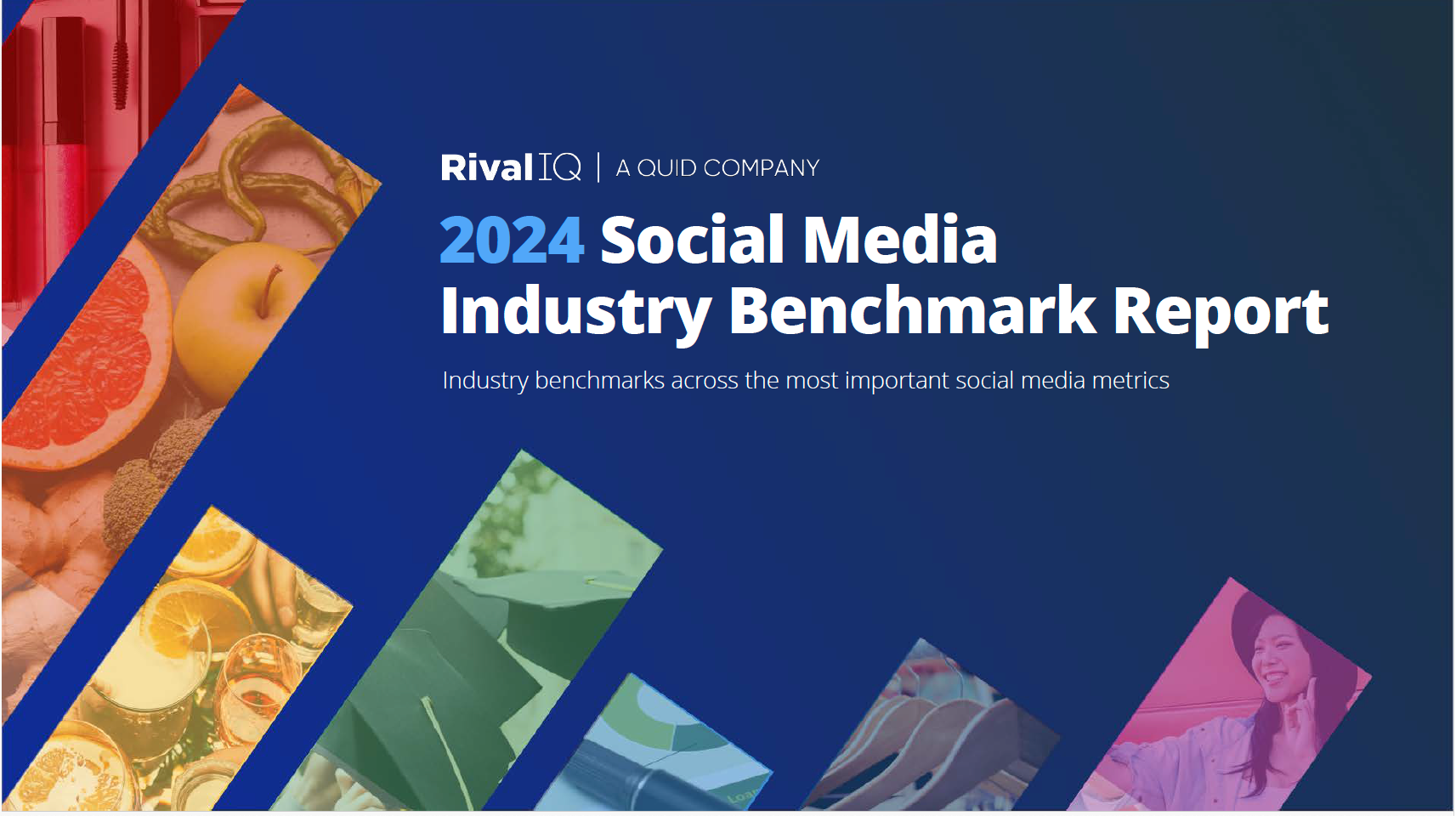
In the dynamic world of social media, understanding the landscape is pivotal for crafting strategies that resonate and convert. Braveheart Digital is excited to share insights from the 2024 Social Media Benchmark Report by RivaIIQ, covering critical metrics across 14 industries on platforms including Facebook, Twitter, TikTok, and Instagram. This report is your compass in the ever-evolving realm of digital engagement, highlighting trends such as engagement rates, optimal posting frequencies, and the efficacious use of post types and hashtags.

2024 social media benchmark report

Key Takeaways

The “2024 Social Media Industry Benchmark Report” unveils pivotal insights into the evolving dynamics of social platforms. Despite a notable decline, TikTok stands resilient as the front-runner in user engagement, a testament to its enduring appeal. The report highlights the diversity in posting frequencies across different platforms, indicating that a one-size-fits-all approach to content cadence is obsolete. In the realm of engagement amplifiers, holiday-themed hashtags have emerged as significant catalysts, while Instagram Reels are rapidly ascending in popularity, showcasing robust engagement metrics.


Moreover, sectors like Higher Education and Sports Teams are setting benchmarks in engagement, attributed to their superior content quality and meticulously timed postings. These revelations serve as a crucial guide for brands and marketers aiming to recalibrate their social media strategies, with a pronounced emphasis on refining content quality and adapting to platform-specific trends.

Change In Social Media Engagement Rates Over Time

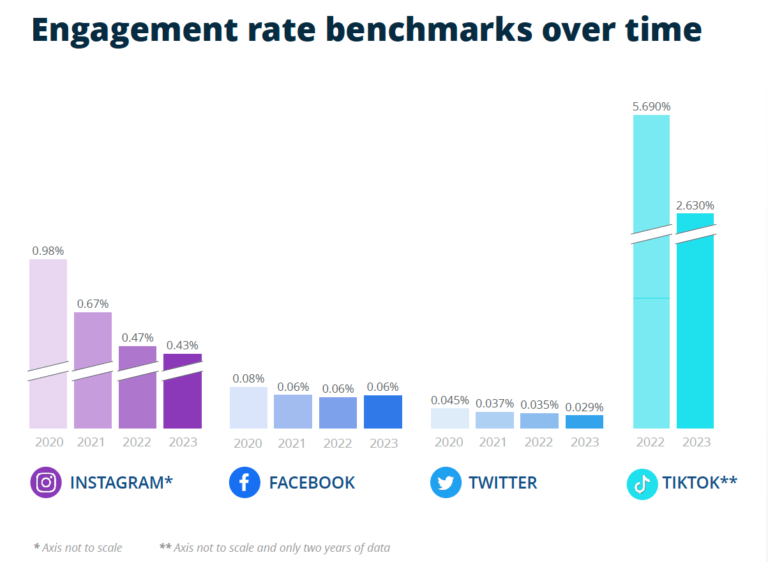
The “Social Media Benchmark Report” unveils significant shifts in engagement rates across platforms, showcasing the fluid landscape of social media interaction. TikTok, despite experiencing a steep decline in engagement rates by over 50%, continues to outperform other platforms, suggesting its foundational strength in captivating audiences. In contrast, Instagram displays a level of steadiness, with a minor 8% dip in engagement, indicating a potential plateau in how users engage with content on the platform. Facebook presents a unique case, witnessing a slight uptick in engagement rates, hinting at evolving user behaviors or beneficial algorithmic adjustments. Twitter, however, encounters a 20% fall in engagement, mirroring the broader challenges and shifts within the platform’s user interaction dynamics. These fluctuations underscore the ever-changing nature of social media engagement, highlighting the critical need for marketers to remain agile and informed in their strategies.

Social media engagement rates over time

Posting Frequency

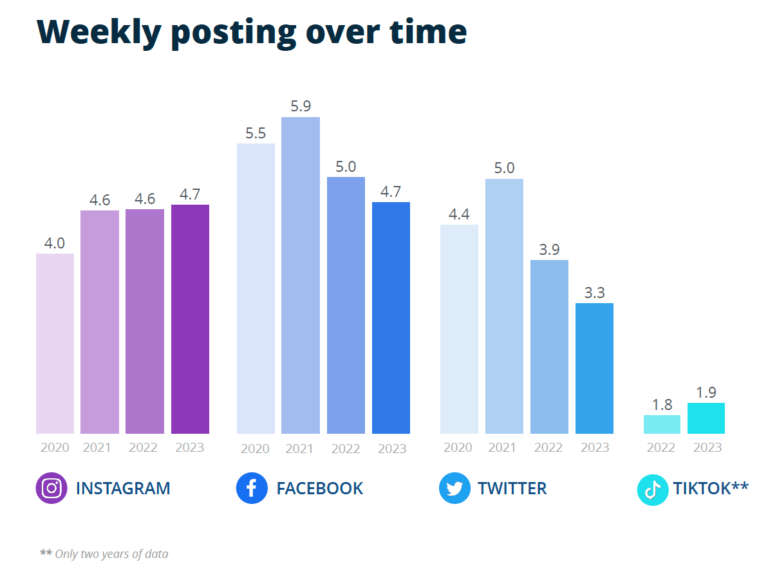
The Social Media Benchmark Report sheds light on evolving trends in post frequency across key social media platforms, illustrating a nuanced landscape of digital interaction. On platforms like Instagram and TikTok, there’s been a noticeable uptick in post frequency, suggesting that brands and creators are intensifying their content efforts to bolster or sustain audience engagement. Conversely, Facebook and Twitter have seen a downturn in posting frequency, with Twitter experiencing a pronounced 15% reduction. This trend might reflect a strategic pivot among brands and users towards emphasizing content quality over sheer volume, or perhaps a realignment of focus towards other platforms offering greater engagement opportunities. The overarching trend reveals diverse approaches in post frequency, signaling a period of adaptation and recalibration by brands to align more closely with shifting content efficacy, algorithmic changes, and evolving audience expectations. These insights underscore the necessity for a more tailored and discerning approach to social media strategy, urging brands to customize their content cadence and substance to match the distinct dynamics of each platform and its user base.

social media weekly posting over time

Social Media Benchmark Report: Facebook

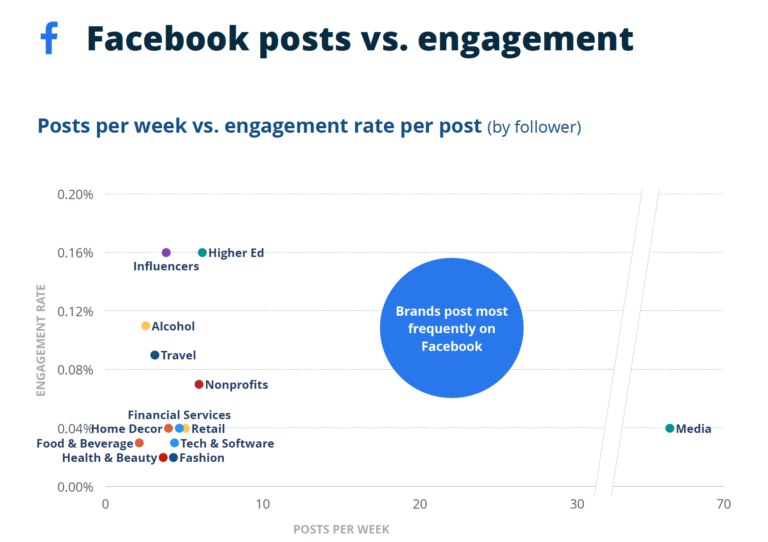
The comprehensive insights into Facebook’s engagement dynamics, as delineated in the report, furnish a granular understanding of how brands navigate content strategy on the platform. It reveals an average posting frequency of 4.70 posts per week, shedding light on the prevailing content rhythms adopted by diverse industries. Notably, the engagement rate per post hovers at 0.044%, illustrating the typical level of user interaction brands might anticipate.

The analysis delves deeper into the differential performance of post types, highlighting that visually appealing content, such as photos, markedly surpasses other formats in garnering user engagement. This underlines the persuasive power of visual storytelling in captivating Facebook audiences.

Furthermore, the report dispenses actionable insights for brands aiming to elevate their Facebook presence, suggesting strategies such as timing optimization, effective hashtag utilization, and the integration of trending topics to enhance content visibility and user engagement.

Additionally, it provides a cross-industry comparative framework, enabling brands to benchmark their Facebook metrics against sector-specific standards. This comparative angle not only aids brands in gauging their competitive stance but also in identifying areas ripe for improvement.

In essence, the report accentuates the criticality of a meticulously crafted approach towards post frequency and content selection on Facebook, with a particular emphasis on leveraging visual elements to boost engagement. Moreover, it arms brands with the knowledge to refine their social media strategies, ensuring they align with industry benchmarks and audience expectations, thereby optimizing their engagement and performance on the platform.

social media benchmark report- Facebook

Social Media Benchmark Report:: Instagram

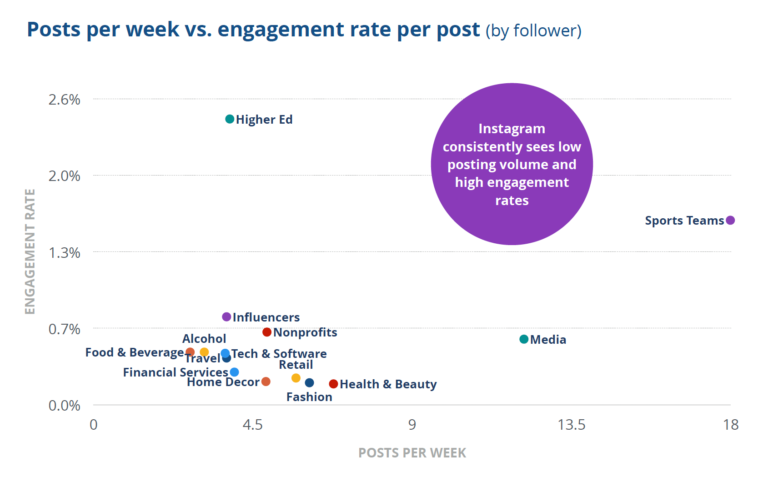
The “2024 Social Media Benchmark Report” offers enlightening insights into Instagram’s usage, particularly concerning engagement and posting frequency. According to the report, the current average for brand posts on Instagram stands at approximately 3.98 posts per week, providing a clear gauge of how actively brands are engaging with their audience on this visually driven platform.

Moreover, the engagement rate per post has been recorded at 0.276%, a pivotal metric that underscores the level of interaction between brands and their followers. This rate is instrumental in assessing the effectiveness of content and the degree of audience engagement on Instagram.

These gathered statistics serve as crucial benchmarks for brands aiming to navigate the Instagram landscape effectively. They provide a standard against which companies can measure their own performance, offering insights that could steer the optimization of their social media strategies. By aligning their engagement tactics and posting frequency with these industry insights, brands can enhance their interaction with audiences, ensuring a more dynamic and fruitful presence on Instagram.

social media benchmark report- Instagram

Social Media Benchmark Report:: Twitter / X

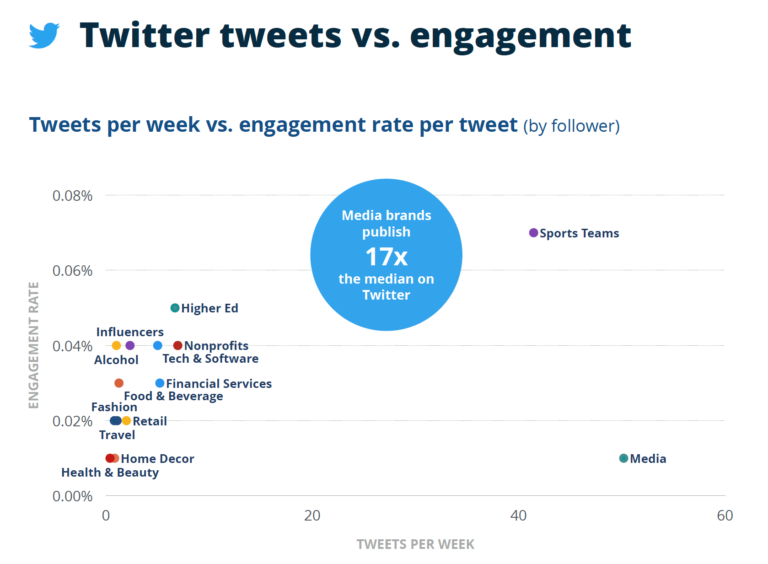
The “2024 Social Media Benchmark Report” casts light on the nuanced dynamics of Twitter engagement and activity, presenting a distinct picture compared to other social platforms. According to the report, the average posting frequency for brands on Twitter is around 6.97 tweets per week, signifying a vibrant level of interaction and content dissemination expected on this fast-paced platform.

Furthermore, the engagement rate per tweet is documented at 0.044%. While this figure may seem modest in comparison to platforms like Instagram, it is a vital indicator of the quality of interaction and the effectiveness of content in engaging the Twitter audience.

This analytical snapshot underlines Twitter’s unique position in the social media ecosystem, where the balance between post frequency and engagement plays a crucial role. These insights underscore the necessity for brands to develop customized content strategies tailored specifically for Twitter to enhance engagement and broaden their reach, highlighting the platform’s distinct requirements for successful brand communication and audience engagement.

social media benchmark report- Twitter

Social Media Benchmark Report:: TikTok

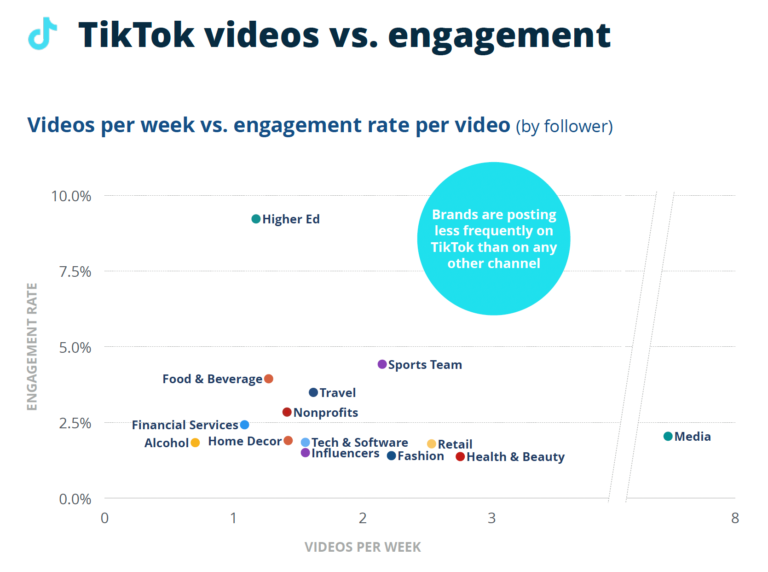
The “2024 Social Media Benchmark Report” sheds light on the dynamic engagement and content strategies employed on TikTok, revealing the platform’s distinctive engagement culture. On average, brands post 2.85 videos weekly, reflecting a dedicated approach to captivating TikTok’s vibrant and ever-active audience. Remarkably, the engagement rate per video stands at an impressive 2.63%, underscoring TikTok’s unparalleled capacity to foster deep connections and encourage user interaction. This figure not only illustrates the platform’s dominance in engaging content delivery but also emphasizes the critical role of creativity and authenticity in resonating with the TikTok community. Furthermore, the report delves into the nuances of content strategy, particularly the impactful use of hashtags such as #LearnOnTikTok, #music, and #trending. These thematic tags are not mere metadata; they are pivotal in guiding viewers to content, enhancing discoverability, and boosting engagement rates. This strategic use of hashtags underscores the importance of aligning content with trending topics and community interests to maximize visibility and engagement on TikTok. These findings highlight TikTok’s significant impact as a platform that thrives on high-quality video content and smart hashtag strategies, offering brands a unique opportunity to engage with audiences in a highly interactive and personal manner.
social media benchmark report- TikTok

9 Ways To Use This Social Media Benchmarking Data

​​Small business owners and marketing leaders can leverage the “2024 Social Media Industry Benchmark Report” in several strategic ways to enhance their social media efforts
By applying these insights, you can make informed decisions, optimizing your social media strategies for better engagement, reach, and ultimately, business results.

If you need help amplifying your website content via social media, contact Braveheart Digital Marketing. We’re a social media agency in Manchester NHthat can help you reach your target audience and achieve your marketing goals. Contact us today to learn more.

Facebook
Twitter

Recent Posts

AI marketing team

AI marketing team

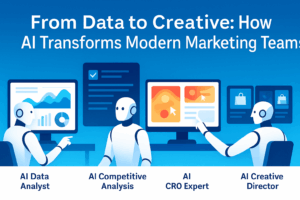
How AI Transforms Modern Marketing Teams Every business wants a larger, more capable marketing team, but the reality is that budgets rarely match ambitions. Hiring

Read More »
AEO FAQs

AEO FAQs

AEO FAQs: Your Practical Playbook In Part 1, we covered the strategic foundations of Answer Engine Optimization. Now that you understand its importance, it’s time

Read More »

How Many Social Media Platforms Should You Focus On?

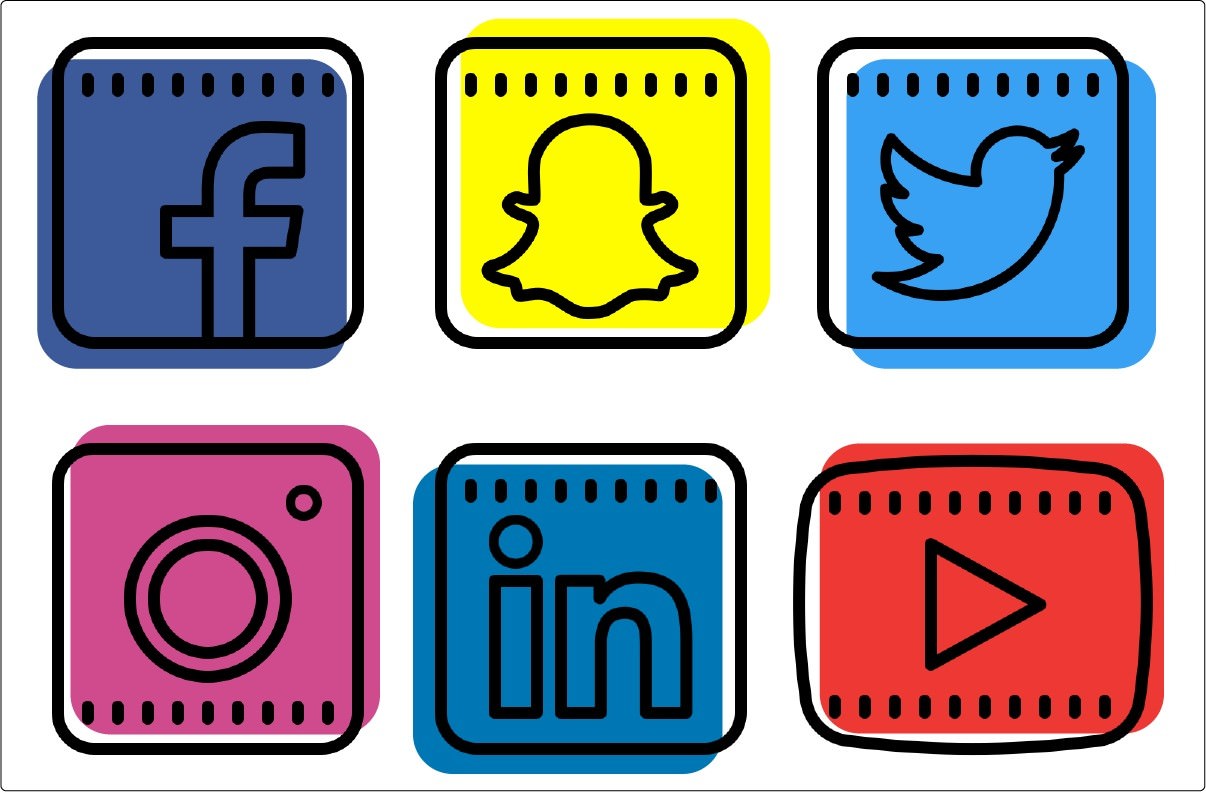
Social Media Platforms Logos

How Many Social Media Platforms Should You Focus On?

One of the challenges that a lot of companies struggle with is that they know that to be successful, you need to be visible on social media. But how many social media platforms is the right number for you?

When it comes to the number of social media platforms to be on, I believe that the answer is always the same: focus on the platforms that are most relevant to your business. It doesn’t matter if you’re a small business or a large corporation, there’s one thing that remains true for everyone – it’s better to be active and engaged on a few platforms than spread yourself too thin across many. That being said, how do you decide which social media platforms are right for your business? Let’s take a look at some of the factors to consider when making this decision.

What Are The Demographics of the Social Media Platforms ?

Social Media Platforms Logos
Here’s a breakdown of demographics for some major social media platforms:

Age

Facebook: Continues to have a broad user base, with the most active users between 25-34 years old.
YouTube: Widely used across various age groups, particularly popular among those aged 15-34 years.
Instagram: Predominantly used by younger audiences, especially those aged 18-24 years.
TikTok: Attracts a younger demographic, primarily between 18-24 years old.
X (formerly Twitter): Engages users mainly in the 18-34 age range.
LinkedIn: Caters to professionals, with a significant user base between 25-64 years old.

Threads: Launched by Meta, Threads reached 300 million monthly users by December 2024, surpassing Bluesky’s user base.

Bluesky: As of December 2024, Bluesky has approximately 25 million users, experiencing rapid growth from 13 million just two months prior.

Gender

Facebook: Maintains a fairly even gender distribution, with a slight male majority.
YouTube: Usage is generally consistent across genders.
Instagram: Slightly more popular among females, with 49.4% female and 50.6% male users.

TikTok: Gender breakdown varies depending on source, but leans towards females.

X (formerly Twitter): Predominantly male users, comprising about 63% of the platform’s demographic.
LinkedIn: Leans male with 43.6% female and 56.2% male users.

Bluesky: Specific gender demographics are not widely reported as of now.

Threads: Detailed gender demographic data is currently limited.

What Social Media Platforms Does Your Audience Use?

Now that you understand the age and demographics of each social media platform, the next step in deciding which social media platforms you should focus on is determining who is your target audience? Different audiences have different preferences and engage with different types of content, so it’s important to understand who your customers are before you decide what social networks they use most often. Take time to create buyer personas and survey your existing customers about their preferences. This will help you determine which networks are best for reaching them and engaging them with your brand.

Know Your Goals

In our experience, it’s crucial to prioritize KPIs that align with your specific business goals. Are you aiming to grow brand awareness? Increase website traffic? Drive sales? Identifying these goals will help you choose the most relevant KPIs to track and measure your progress.
Tracking Your Growth

For any social media presence, understanding your follower or subscriber base is crucial. The total number of people who have chosen to follow your pages reflects the appeal of your content to your target audience. A steadily growing follower count indicates you’re successfully building a community around your brand and that your content resonates with your target audience.
However, it’s not just about the raw numbers. The audience growth rate delves deeper by analyzing the percentage increase or decrease in your following over a specific timeframe. This KPI helps you understand how quickly your social media presence is expanding and allows you to pinpoint periods of significant growth or areas where your efforts might need to be adjusted.

Measuring Engagement

Engagement goes beyond simply having a large following; it’s a key indicator of how well your social media content connects with your audience. Likes, comments, shares, and even brand mentions all contribute to your engagement rate. A high engagement rate suggests that your content is interesting, informative, and sparking conversations with your target audience.

Understanding Reach and Visibility

Reach and impressions provide valuable insights into how many people are seeing your content. Reach refers specifically to the unique number of users who saw your post at least once, regardless of whether they interacted with it. Impressions, on the other hand, represent the total number of times your content appeared on users’ feeds, even if they scrolled past it without noticing. By tracking both reach and impressions, you can gauge the effectiveness of your content in capturing your audience’s attention.

Driving Website Traffic and Conversions

Social media shouldn’t function as an isolated entity. Instead, it’s a powerful tool for attracting users to your website or landing pages. Website traffic, measured by clicks on links within your social media posts, indicates how effectively you’re driving users from social media to your main platform. Click-through rate (CTR) takes this a step further by calculating the percentage of users who see your post and click on a link. Finally, the conversion rate dives into the ultimate outcome: what percentage of users who clicked on your link take a desired action, such as making a purchase or signing up for a newsletter? Tracking these KPIs allows you to assess how well your social media strategy is contributing to your overall business goals.

Choose A Few Channels And Invest In Them

Once you know who your audience is and what social media channels they use, it’s time to make the decision about which platforms to focus on. By focusing on one or two platforms instead of trying to be everywhere at once, you are able to create better relationships with customers and build trust with them over time. Through effective engagement strategies such as responding quickly to comments and messages, answering questions people have about your product or service, or providing helpful advice related to your industry, you can deepen these relationships even further. And this leads directly back to increased sales for your business!

When it comes down to it, there is no hard-and-fast answer as far as how many social media platforms a business should focus on. It all depends on factors like resources available, target audience demographics, and results from testing various strategies and approaches across different networks. However one thing is certain, having an effective social media presence is essential if businesses want their brands seen by potential customers in today’s digital world!
If you need help amplifying your website content via social media, contact Braveheart Digital Marketing. We’re a social media agency in Manchester NH that can help you reach your target audience and achieve your marketing goals. Contact us today to learn more! 

Social Media Expertise

  • Social Media Distribution for B2B: Turning social platforms into reliable distribution engines.
  • How Many Platforms Do You Need?: Finding the sweet spot between focus and reach.
  • Content Amplification in Four Steps: Extend the shelf life and reach of every asset you publish.

Social Media Strategies:  10 powerful social media strategies to boost engagement, grow your brand, and stay ahead in 2025.
https://www.braveheartdigitalmarketing.com/blog-post/social-media-strategies/

Platform Guides

  • LinkedIn Branding Guide: Tactics to sharpen positioning and improve visibility on the top B2B network.
  • LinkedIn Algorithm Update: What the latest feed changes mean for reach and engagement.

Recent Posts

generative AI framework

Generative AI Roadmap

Unlock Your AI Potential: A Practical Roadmap for Small Businesses The world of Artificial Intelligence is evolving at a breathtaking pace, and for small businesses,

Read More »
scaling ai use cases

Scaling AI Use Cases

Scaling AI Use Cases: Playbook for Business Growth You’ve successfully piloted an AI solution, measured its ROI, and perhaps even operationalized it. That’s a huge

Read More »
AI ROI Measurement

AI ROI Measurement

AI ROI Measurement You’ve launched an AI pilot, your team is getting familiar with the tools, and you’re seeing some promising early signs. But when

Read More »

Social Media as Distribution Channels For B2B

B2b Social Media Distribution and Trends

Social Media as Distribution Channels For B2B

The new 2024 B2B Content Marketing Report is out and it provides some great insights into what social media channels are the best for distributing B2B marketing content. In the rapidly evolving digital marketplace, mastering the art of B2B content distribution is more crucial than ever. And the data shows that successful content marketing distribution begins with knowing your audience (79%). This makes sense, considering that “creating the right content for our audience” is the top challenge. The logic? Top-performing content marketers prioritize knowing their audiences to create the right content for those audiences. In this post we will take a look at the best organic and paid channels as well as the most effective channel for social media B2B content distribution.
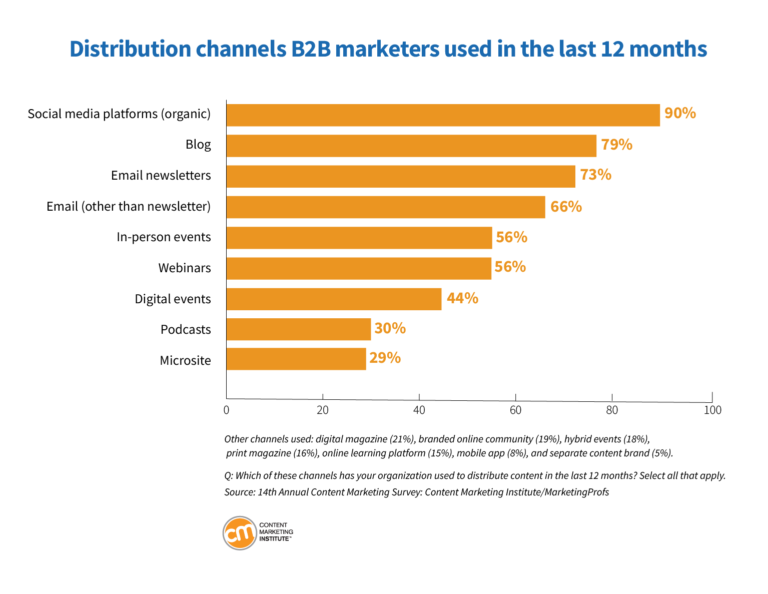
Most popular content distribution channels

Regarding the channels used to distribute content, 90% use social media platforms (organic), followed by blogs (79%), email newsletters (73%), email (66%), in-person events (56%), and webinars (56%).
B2B Distribution Channels

Most effective content distribution channels

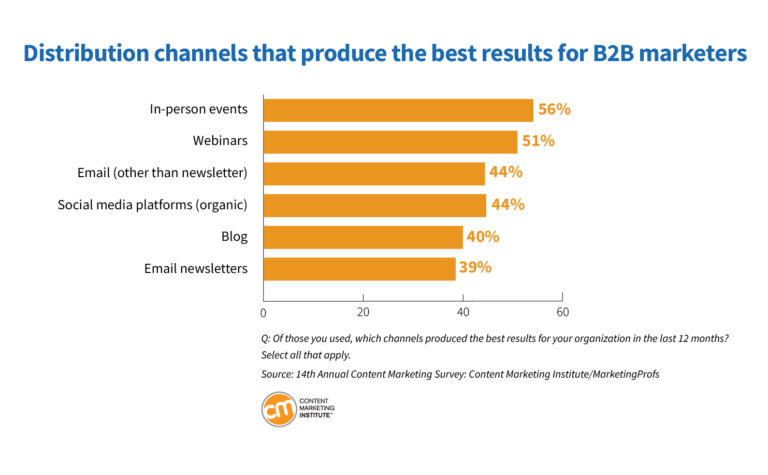
Which channels perform the best? Most marketers in the survey point to in-person events (56%) and webinars (51%) as producing better results. Email (44%), organic social media platforms (44%), blogs (40%) and email newsletters (39%) round out the list.
social media channels best results B2B

Most effective paid channels

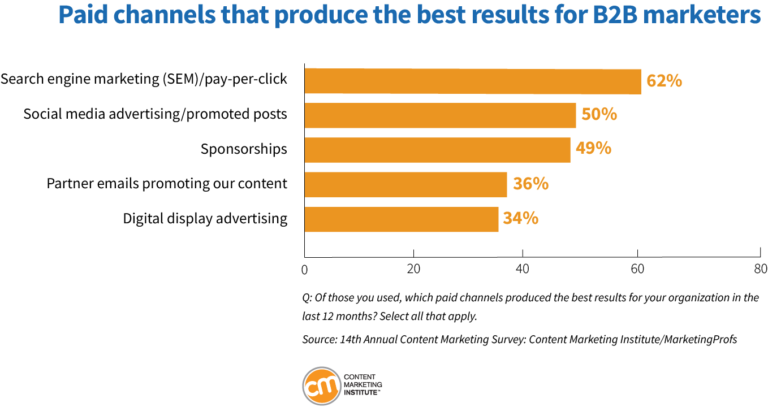
SEM/pay-per-click produces good results, according to 62% of those surveyed. Half of those who use paid channels say social media advertising/promoted posts produce good results, followed by sponsorships (49%), partner emails (36%), and digital display advertising (34%).
Top paid B2B channels

The top B2B distribution channel

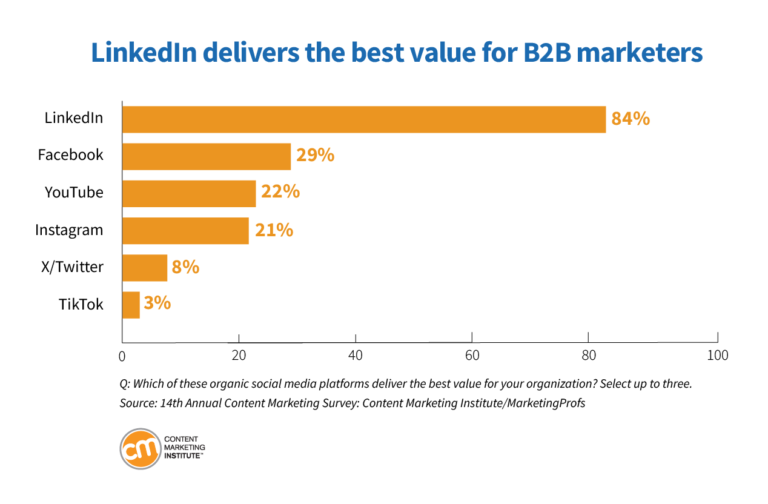
When asked which organic social media platforms deliver the best value for their organization, B2B marketers picked LinkedIn by far (84%). Only 29% cite Facebook as a top performer, 22% say YouTube, and 21% say Instagram. Twitter and TikTok see 8% and 3%, respectively.
Linnkedin

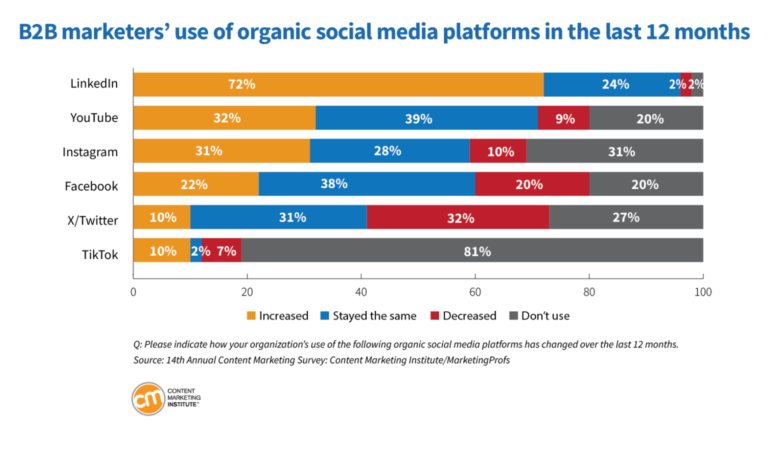
So it makes sense that 72% say they increased their use of LinkedIn over the last 12 months, while only 32% boosted their YouTube presence, 31% increased Instagram use, 22% grew their Facebook presence, and 10% increased X and TikTok use.

Which platforms are marketers giving up? Did you guess X? You’re right – 32% of marketers say they decreased their X use last year. Twenty percent decreased their use of Facebook, with 10% decreasing on Instagram, 9% pulling back on YouTube, and only 2% decreasing their use of LinkedIn.

It is clear that ROI is a huge focus of marketing departments in 2024. Which is why we have seen more emphasis put on LinkedIn (72% increased their use in 2023) versus other more B2B channels like Instagram (31%), Facebook (225) and X (10%).

FAQs about distributing B2B content on social media

How do B2B marketers measure the effectiveness of each social media channel for content distribution?

Measuring the effectiveness of each social media channel for content distribution in B2B marketing involves a multifaceted approach. Marketers typically use a combination of metrics such as engagement rates, website traffic referrals, lead generation numbers, and conversion rates. Advanced analytics tools and social media platforms’ own analytics features can provide insights into how content performs, allowing marketers to see not just how many people engaged with the content, but also how those engagements translated into actionable business outcomes. This data-driven approach helps marketers to refine their strategies, allocate resources more efficiently, and demonstrate the ROI of their social media efforts.

What specific strategies do successful B2B marketers use to engage their audience on LinkedIn?

Successful B2B marketers use a variety of strategies to engage their audience on LinkedIn, given its professional focus and B2B-friendly environment. These strategies often include sharing insightful content that adds value to their industry, participating in relevant LinkedIn groups to foster community and discussion, and leveraging LinkedIn’s advanced targeting capabilities for ads and sponsored content. Personalizing content to address the specific challenges and needs of their target audience is also crucial, as is engaging directly with comments and messages to build relationships and demonstrate thought leadership.

Are there any emerging social media platforms that B2B marketers should watch, given the rapid changes in social media trends?

Regarding emerging social media platforms, B2B marketers are always on the lookout for new channels that can help them reach their target audiences effectively. While platforms like TikTok and Clubhouse have gained traction in the B2C space, their potential for B2B marketing is still being explored. Marketers should keep an eye on these and other emerging platforms as they evolve, considering factors such as the platform’s user demographics, content formats, and engagement styles. Experimenting with new platforms can uncover untapped opportunities to connect with audiences in innovative ways, but such efforts should be balanced with the need to invest in proven channels that consistently deliver results.

If you need help developing content or distributing content via social media, contact Braveheart Digital Marketing. We’re a social media agency in Manchester NH that can help you reach your target audience and achieve your marketing goals. Contact us today to learn more!

Social Media Expertise

  • Social Media Distribution for B2B: Turning social platforms into reliable distribution engines.
  • How Many Platforms Do You Need?: Finding the sweet spot between focus and reach.
  • Content Amplification in Four Steps: Extend the shelf life and reach of every asset you publish.

Social Media Strategies:  10 powerful social media strategies to boost engagement, grow your brand, and stay ahead in 2025.
https://www.braveheartdigitalmarketing.com/blog-post/social-media-strategies/

Platform Guides

  • LinkedIn Branding Guide: Tactics to sharpen positioning and improve visibility on the top B2B network.
  • LinkedIn Algorithm Update: What the latest feed changes mean for reach and engagement.

Recent Posts

ai pilot program

AI Pilot Program

AI Pilot Program The allure of AI is undeniable. Companies everywhere are eager to harness its power, but far too often, their AI pilot programs

Read More »
Social Media Framework

Social Media Framework

Social Media Framework Social media is a dynamic and ever-evolving landscape. Algorithms shift, new platforms emerge, and audience behaviors transform with every update. Without a

Read More »
Social Media Trends

Social Media Trends

Top Social Media Trends in 2025 The social media landscape in 2025 is a whirlwind of innovation, shifting user behaviors, and the ever-growing influence of

Read More »

5 LinkedIn InMail Best Practices to Generate New Business Leads

LinkedIn inMail

5 LinkedIn InMail Best Practices to Generate New Business Leads

LinkedIn InMail is a powerful tool that can help you generate new business prospects. However, with so many users vying for attention, it can be tough to stand out and make meaningful connections. So if you’re tired of sending InMails that go unanswered, try implementing these best practices.

LinkedIn InMails have an open rate of 20%, which is much higher than the open rate for email marketing campaigns.

LinkedIn inMail

1. Select the Right Sender

The sender of your InMail can have a big impact on the recipient’s decision to open and read it. Choose a sender who is a leading executive or subject matter expert in your company to increase your chances of catching the eye of your target audience.

Personalize your message by addressing the recipient by name and mentioning something you know about them.

Use a clear and concise subject line that accurately reflects the content of your message.

2. Include a Banner Ad

Adding a banner to your LinkedIn InMails is a great way to customize your conversation and reinforce the CTA in your message. You can use the banner to include your company logo, website address, or a call to action. A study by LinkedIn found that InMails with banners had a 20% higher open rate than InMails without banners.

3. A/B Test Your Campaign

Experimenting with different variables such as subject lines and pictures can help you refine your approach over time and increase your chances of success. For example, you could A/B test different subject lines to see which one gets the highest open rate.

A/B testing is a proven way to improve the performance of your InMail campaigns. One study found that A/B testing can increase your click-through rate by up to 30%.

4. Keep Your Messages Short

People are busy, so they don’t have time to read long, rambling InMails. Be crystal clear about what you’re offering or asking for to make it easy for your recipients to understand the next steps and take action.

Shorter InMails are more likely to be read and responded to. A study by HubSpot found that InMails that were 100 words or less had a 50% higher open rate than InMails that were 200 words or more.

5. Be Conversational

Use natural language and ask questions to build rapport that can lead to a more meaningful and long-lasting relationship. Instead of sending a one-way pitch, try starting a conversation by asking the recipient a question about their work or industry.

Conversational InMails are more likely to build rapport and lead to new business opportunities. A study by LinkedIn found that InMails that were conversational had a 30% higher response rate than InMails that were not conversational.

Remember, when crafting your LinkedIn InMails, it’s crucial to put yourself in the shoes of your recipients. No one likes to receive a message that feels automated or impersonal, so take the time to personalize your approach. Not only will this increase your response rates, but it will also help you build stronger relationships with your network.
If you need help amplifying your website content via social media, contact Braveheart Digital Marketing. We’re a social media agency in Manchester NH that can help you reach your target audience and achieve your marketing goals. Contact us today to learn more!
LinkedIn

Recent Posts

paid social media roas

Paid Social Media ROAS

Why Your Paid Social Media Ads Aren’t Delivering ROAS—And How to Fix It You’ve invested in paid social media advertising. You’ve committed budget, time, and

Read More »
Search Visibility

Search Visibility

How to Improve Search Visibility and Drive More Organic Traffic For many businesses, low search visibility is a persistent challenge that directly impacts their ability

Read More »

LinkedIn Changed Its Algorithms — Here’s How Your Posts Will Be Affected

LinkedIn Logo

LinkedIn Changed Its Algorithms — Here's How Your Posts Will Be Affected

According to a study by LinkedIn, 82% of small business owners use LinkedIn. This means that the majority of small business owners are aware of the benefits of using LinkedIn and are actively using it to connect with potential customers, partners, and employees.

The study also found that small businesses that use LinkedIn generate 2x more leads than those that don’t. This is a significant advantage, and it shows that LinkedIn can be a valuable tool for small businesses that are looking to grow their business.

If you’re a small business owner, I encourage you to create a LinkedIn profile and start using the platform to connect with your target audience. It’s a great way to build relationships, generate leads, and grow your business.

Here are some additional statistics about LinkedIn usage among small business owners:

LinkedIn Logo
If you’re looking for ways to grow your small business, LinkedIn is a great place to start. By using the platform effectively, you can connect with potential customers, partners, and employees, and generate more leads. However, in order to get your posts seen by as many people as possible, it’s important to understand how LinkedIn’s algorithms work.In recent years, LinkedIn has made a number of changes to its algorithms, which have had a significant impact on how posts are ranked and displayed. The most recent changes, which were announced in January 2023, are designed to prioritize posts that are more relevant to users’ interests and that are likely to spark engagement.
How the New LinkedIn Algorithms Work

  • The new algorithms take into account a number of factors when ranking posts, including:

How the Changes Will Affect Your Posts

If you want to make sure that your posts are seen by as many people as possible, it’s important to focus on creating content that is relevant to your business and that is likely to spark engagement. Here are some tips:

How to Track the Performance of Your Posts

LinkedIn’s analytics tools can help you track the performance of your posts. You can see how many people saw your posts, how many people interacted with your posts, and how many people clicked on the links in your posts. This information can help you identify what types of posts are most successful and make adjustments to your content strategy accordingly.
Summary

The changes to LinkedIn’s algorithms are still relatively new, so it’s not yet clear how they will impact the visibility of your posts. However, if you want to make sure that your posts are seen by as many people as possible, it’s a good idea to focus on creating content that is relevant to your business and that is likely to spark engagement. By following the tips in this article, you can increase your chances of getting your posts seen and shared on LinkedIn.

If you need help amplifying your website content via social media, contact Braveheart Digital Marketing. We’re a social media agency in Manchester NH that can help you reach your target audience and achieve your marketing goals. Contact us today to learn more!

Expand Your Social Media Expertise with Our Featured Guides

Below are deep dives that expand on each core pillar of our framework. Each link will open in a new tab, allowing you to explore these topics in detail:

Platform Guides

  • LinkedIn Branding Guide: Tactics to sharpen positioning and improve visibility on the top B2B network.
  • LinkedIn Algorithm Update: What the latest feed changes mean for reach and engagement.

Social Media Expertise

  • Social Media Distribution for B2B: Turning social platforms into reliable distribution engines.
  • How Many Platforms Do You Need?: Finding the sweet spot between focus and reach.
  • Content Amplification in Four Steps: Extend the shelf life and reach of every asset you publish.

Social Media Strategies:  10 powerful social media strategies to boost engagement, grow your brand, and stay ahead in 2025.
https://www.braveheartdigitalmarketing.com/blog-post/social-media-strategies/

Recent Posts

Guide to creating killer buyer personas

Creating Killer Buyer Personas

Creating Killer Buyer Personas: The Strategic Imperative for Smart Marketing In today’s digital-first economy, understanding your customer is no longer a luxury—it’s a strategic necessity.

Read More »
2025 social media strategies

Social Media Strategies

10 Proven Social Media Strategies to Dominate in 2025 In the dynamic landscape of 2025, mastering social media requires a strategic approach tailored to evolving

Read More »
AI Agents

AI Agents

AI Agents Have Arrived: Is Your Website Ready? In the rapidly evolving world of digital marketing, a seismic shift is upon us. For months, there
Read More »

LinkedIn: the Number One Network for B2B Marketers

LinkedIn Advertising
Top Social Media Agency In NH Award
Top PPC Company in NH Award
Top Digital Marketing Agency in New Hampshire

LinkedIn: the Number One Network for B2B Marketers

In the last couple of years, LinkedIn has transformed from merely a professional networking and job-seeking site to the number one channel for content distribution and amplification in the B2B market according to data recently released by Microsoft.

Some key metrics that Microsoft released about LinkedIn:

LinkedIn Helps You Grow Your Business.

Using LinkedIn to share and amplify content is part of every B2B marketers playbook.

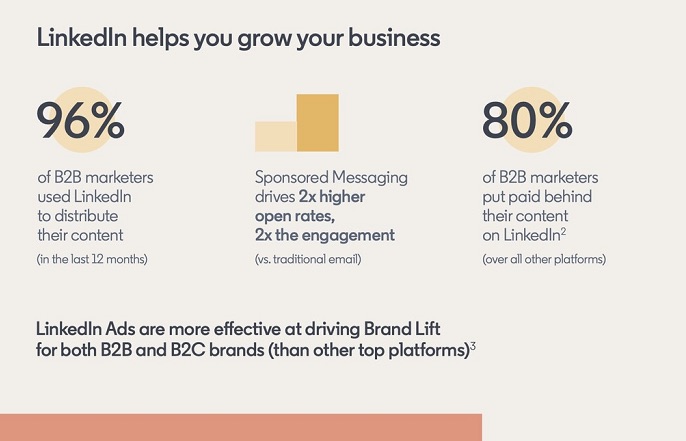
It’s really difficult to be successful on LinkedIn without putting dollars behind your content. That is why 80% of B2B businesses sponsor or boost their content and 96% of marketers using the platform to distribute content.

LinkedIn Helps You Grow Your Business

Importance Of Keeping Your Page Updated

Most companies focus on putting out thought leadership content on LinkedIn. While that is really important, it is really interesting to see this data from LinkedIn.

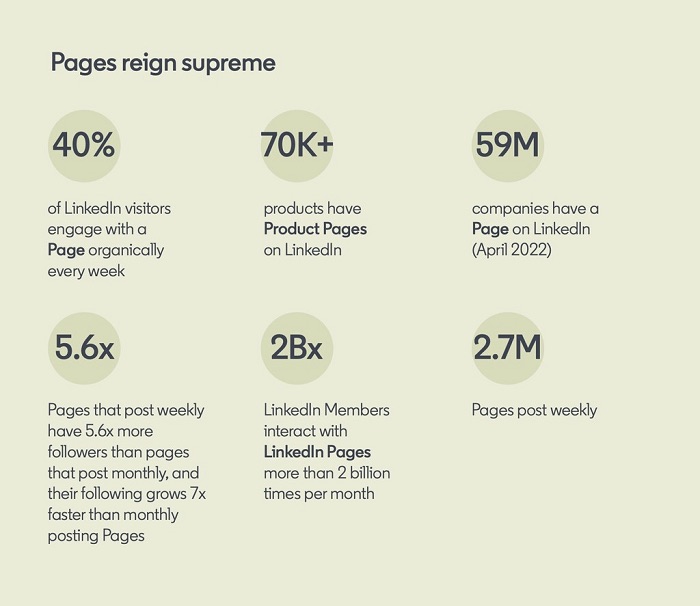
Brands that post weekly to their LinkedIn page grow 7x faster than companies that post infrequently.

LinkedIn Pages Need to be updated

Advertising On LinkedIn Increases Perception

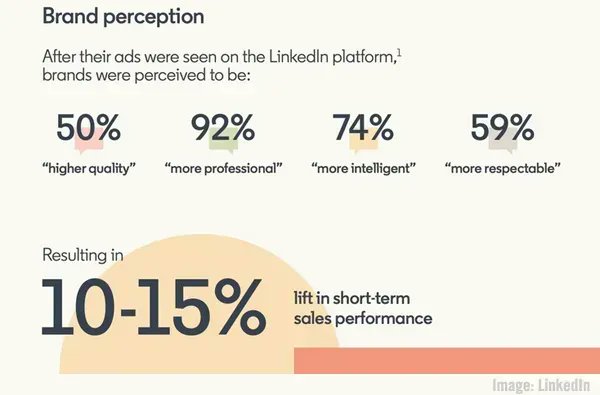
If you have ever thought that adverting on LinkedIn was expensive or not worth it, this should change your mind. Brands that advertised on LinkedIn saw a 10 to 15 percent rise in short-term sales performance. That is a huge bump!

Advertising on LinkedIn increases brand perception
If you need help amplifying your website content via social media, contact Braveheart Digital Marketing. We’re a social media agency in Manchester NH that can help you reach your target audience and achieve your marketing goals. Contact us today to learn more!
LinkedIn

Recent Posts

Social Media ROI

Social Media ROI

How To Maximize Your Paid Social ROI in 2025 As we step into 2025, the digital advertising landscape continues to evolve at breakneck speed. With

Read More »